Best Brain Supplements 2026: Tested and Ranked
What are the best brain supplements in 2026?
The best brain supplements in 2026 are the ones that print every ingredient dose on the label instead of hiding amounts inside a proprietary blend. Judge each formula on three things: research-backed ingredients, doses you can actually verify, and honest price per serving. MemoFix stands out for printing all five amounts.
- Prioritise labels that print a milligram amount for every active — not a single blend total.
- Check each amount against research-effective doses (bacopa around 300 mg, citicoline 250–500 mg).
- Compare price per serving, not price per bottle, and use the money-back window to test it.
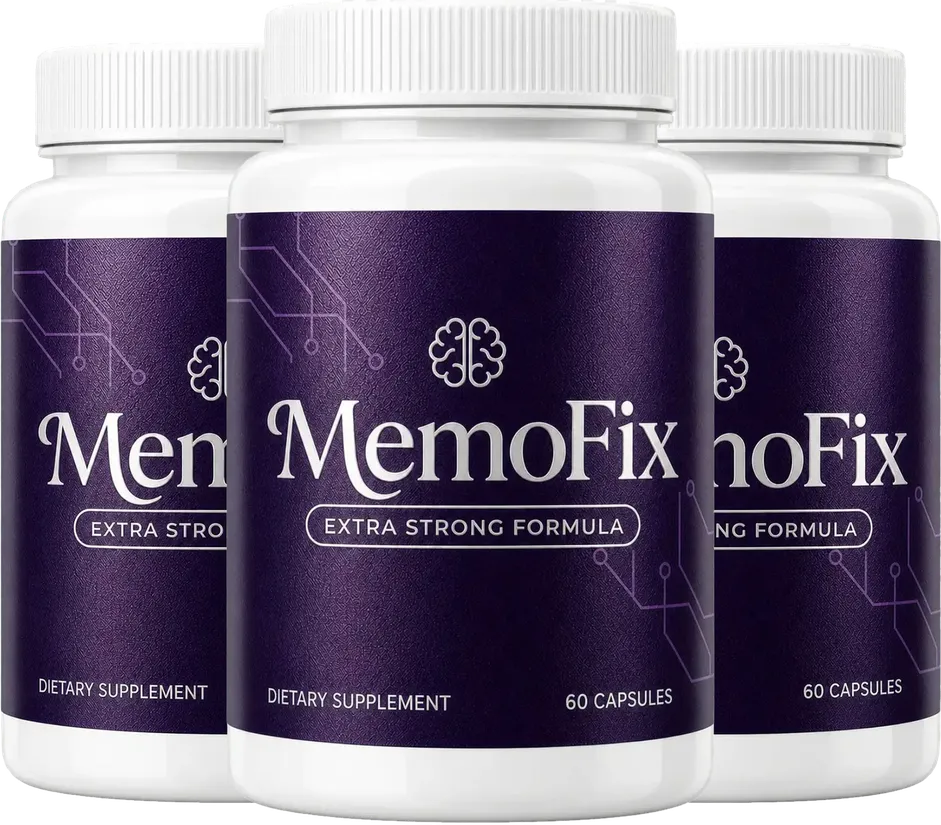
Search “best brain supplements” and you will meet a wall of confident claims: sharper focus, all-day energy, memory like you had at twenty-five. Roughly 6,600 people run that exact search every month, and almost none of them get the one thing that would actually let them choose well — a straight look at what is inside each bottle and at what dose. This 2026 ranking fixes that. We do not rate brain supplements on their promises. We rate them on evidence, on dosing transparency, and on honest value, because those are the three things that survive contact with your own experience after the first bottle.
The short version, which the rest of this guide will earn: the products worth your money are the ones brave enough to print an amount next to every ingredient. The ones to be wary of hide those amounts inside a “proprietary blend” and hope you will not notice. That single distinction — printed amount versus concealed blend — sorts the category faster than any marketing copy ever will.
How we ranked the best brain supplements for 2026
Every product in a serious roundup should be judged against the same yardstick, so here is ours. Three criteria, weighted in this order.
1. Ingredient evidence. Does the formula use ingredients with published human trials for cognition specifically — memory, focus, mental fatigue — rather than test-tube curiosities? Bacopa monnieri, citicoline, L-theanine, rhodiola and panax ginseng all clear this bar to different degrees. A long, exotic ingredient list is not a plus if most of it has never been tested in people.
2. Dosing transparency. Can you see the milligram amount of each active, and does that amount reach the dose the research actually used? This is where most of the category quietly fails. A formula can list a wonderful ingredient and include a tenth of the studied dose, and unless the number is printed, you will never know.
3. Honest value. What does one day of the product cost, and does the seller stand behind it with a real return window? A cheap bottle of nothing is not value; a slightly pricier bottle of verifiable ingredients, backed by a 60-day guarantee, usually is.
Notice what is not on the list: customer star ratings and testimonials. We do not rank on those because they are the easiest thing in the world to manufacture, and a five-star average tells you nothing about whether a dose is high enough to matter.
The proprietary blend problem: why an amount beats a blend
If you take one idea from this entire guide, take this one. A “proprietary blend” is a legal way to list several ingredients under a single combined weight without revealing how much of each one is inside. The label might read “Cognitive Blend 750 mg” and name six ingredients underneath. That 750 mg could be 700 mg of cheap filler and a sprinkle of the ingredient you were actually sold on.
Manufacturers defend blends as protecting a secret formula. In practice, the recipe is rarely the secret worth protecting; the doses are. When a company will not tell you the amount, the safest assumption is that the amount would not impress you. A brand that has dosed its formula properly has every incentive to print the numbers, because the numbers are the selling point.
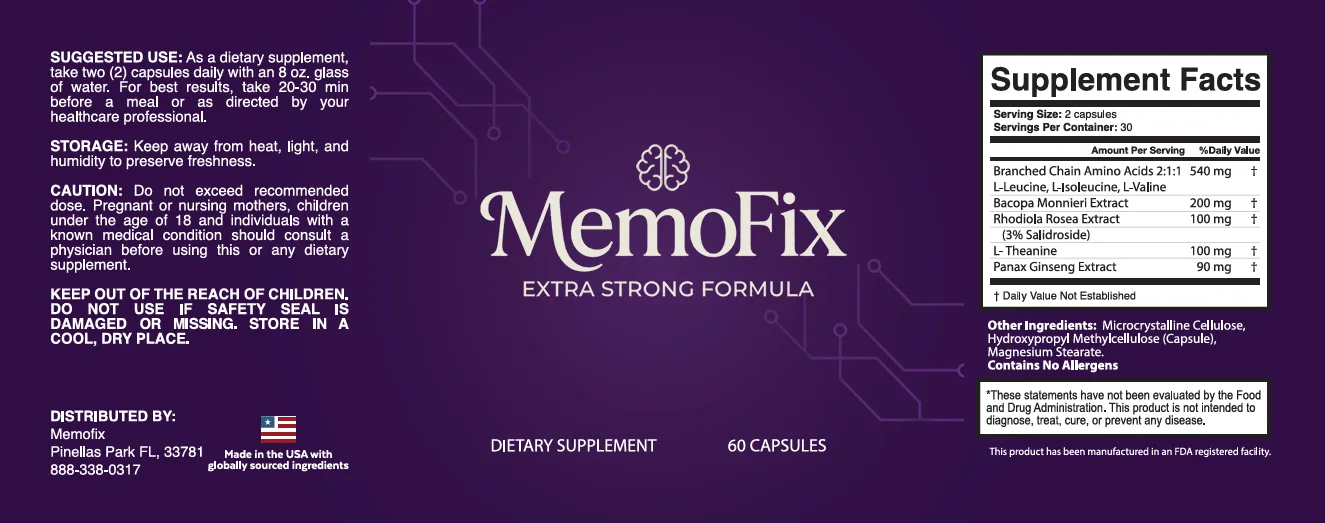
This is exactly why our ranking rewards open labels so heavily. When you can read a real panel, you can do the arithmetic yourself. When you are handed a blend total, you are being asked to trust rather than to check — and trust is not a dosing strategy.
Research-effective doses: the yardstick that separates real from filler
To use an open label well, you need to know roughly what the studies used. You do not need a pharmacology degree; you need four or five numbers. Keep this short list on your phone the next time you compare labels.
- Bacopa monnieri: human memory trials typically run around 300–450 mg per day of a standardised extract, taken daily for weeks — not hours — before the effect shows.
- Citicoline (CDP-choline): the attention and memory research generally sits in the 250–500 mg range, one of the better-studied cognitive ingredients with 20-plus human trials behind it.
- L-theanine with caffeine: the classic focus pairing, studied around 100–200 mg of L-theanine, often alongside caffeine, for calm, non-jittery attention that can be felt the same day.
- Rhodiola rosea: commonly standardised to a salidroside percentage; studied for mental fatigue, where the printed standardisation matters more than the raw milligram figure.
Armed with those numbers, an open label becomes a scorecard. A formula that prints 300 mg of standardised bacopa is playing the same game as the research. A formula that buries “bacopa” inside a 500 mg blend is not even on the field. If you want to go deeper on why concentration — not just weight — decides whether a botanical dose is meaningful, our companion piece on how to choose the best memory supplement walks through the extract-strength trap in detail.
The 2026 rankings by transparency tier
Rather than pretend we lab-tested every jar on the market — nobody honest can — we sorted the category into tiers by how much the label actually tells you. This is the ranking that matters, because it maps directly onto whether you can verify what you are buying.
Tier 1 — Fully open labels (our top pick sits here)
Every active carries its own milligram figure, ingredients are listed heaviest-first with no blend hiding the split, and at least one botanical carries a standardisation. This is the only tier where you can confirm doses against the research before you pay. MemoFix is our worked example of this tier: five actives, each with a printed amount, and a rhodiola line standardised to 3% salidroside. That does not automatically make it the strongest formula for every goal — it makes it the most checkable, which in this category is rarer and more valuable than it should be.
Tier 2 — Partial disclosure
Most amounts are printed, but one or two key actives hide inside a small blend, or the botanicals list a weight with no standardisation. These can be perfectly good products; you simply have to email the manufacturer to fill the gaps before you can rank them properly. A company that answers clearly earns back trust quickly.
Tier 3 — Blend-dominated labels
The headline is a single large “proprietary blend” number and a list of ingredients with no individual amounts. However good the ingredient names look, you cannot verify a single dose. In a 2026 ranking built on transparency, this tier cannot place near the top no matter how loud the marketing is.
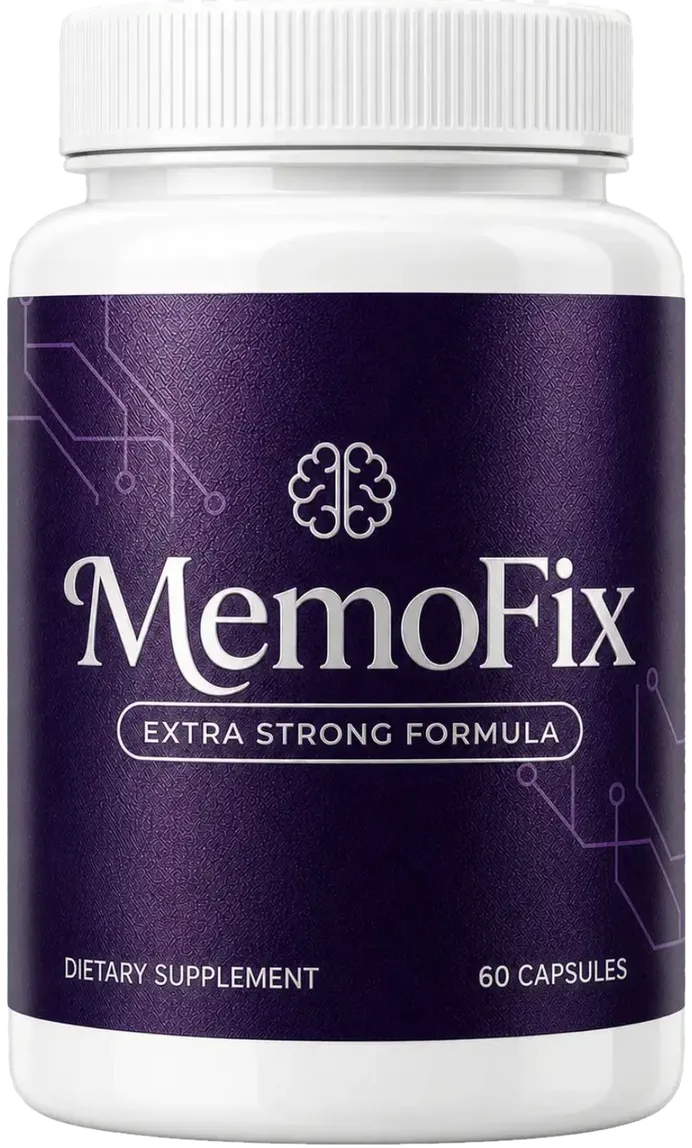
Want the Tier 1 pick from this ranking?
MemoFix prints an amount against all five actives and a standardisation against one — then backs it with a 60-day money-back guarantee so you can test it against your own results.
See Today's Price at the Official StoreWhere MemoFix lands — and where it doesn’t
Honesty is the point of this guide, so let us be specific rather than gushing. MemoFix earns its Tier 1 placement on transparency: a complete Supplement Facts panel showing rhodiola rosea extract (100 mg, 3% salidroside), L-theanine (100 mg), branched-chain amino acids 2:1:1 (540 mg), bacopa monnieri extract (200 mg) and panax ginseng extract (90 mg), two capsules a day, sixty capsules a bottle. Nothing is hidden.
Now the honest caveat. Its bacopa line is 200 mg, while many memory trials use around 300 mg of a standardised extract. That is not a scandal — it is a number you can see and weigh, which is exactly the advantage an open label gives you. You can hold MemoFix’s 200 mg against the research and decide for yourself; with a Tier 3 blend, you could not even do the math. The L-theanine dose, by contrast, sits squarely in the studied range for calm focus. If you want the full ingredient-by-ingredient breakdown against published dose ranges, read our full MemoFix review before you buy.
Addressing the three objections everyone has
“Aren’t all brain supplements just expensive placebos?” Some are — the Tier 3 ones, where the effective ingredient may be present in name only. But individual ingredients like L-theanine and bacopa have real human evidence. The variable is not whether the science exists; it is whether a given product delivers a real dose. That is the whole reason transparency, not branding, drives this ranking.
“Won’t I feel it the first day or it isn’t working?” Some effects are fast and some are slow. The L-theanine side of a good formula can feel smoother the same afternoon; the bacopa side is a multi-week build. Judging a memory ingredient after two days is like judging a fitness program after two workouts.
“Is it safe to take every day?” The ingredients in transparently dosed formulas are generally well tolerated at studied amounts, but “generally” is not “everyone.” If you take medication or manage a health condition, that is a conversation with your doctor, not a comments section. Our overview of nootropic side effects and safety covers the interactions worth knowing before you start.
What a quality brain supplement should cost in 2026
Price the category by the day, not the bottle. A transparently dosed brain supplement generally lands somewhere around one to two dollars per daily serving, and multi-bottle bundles usually bring that number down. MemoFix, for reference, starts from $49 a bottle with lower per-bottle pricing on its larger packs. The figure that actually protects you, though, is the guarantee: a 60-day money-back window turns a purchase into a trial. You get to be the test subject that matters — you — instead of trusting a stranger’s star rating.
So the buying rule for 2026 is simple. Choose the most transparent label you can find in your budget, confirm its key doses against the short research list above, and buy it from a seller who will refund you if it does not deliver. Do that and you have already beaten the large majority of “best brain supplement” buyers, who chose on the front of the box.
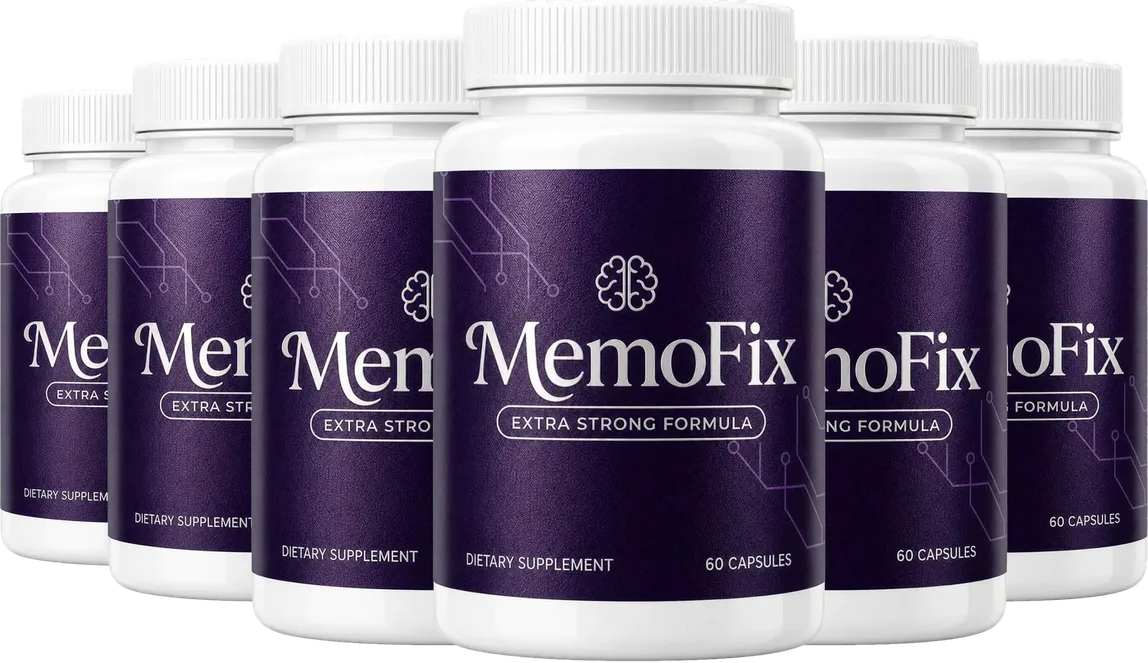
Ready to try the label-honest pick?
Check today’s official-store pricing on MemoFix, compare the printed doses to the research yourself, and put the 60-day guarantee to work.
Order MemoFix From the Official StoreFrequently asked questions
What is the best brain supplement in 2026?
There is no single winner for everyone, but the best brain supplements in 2026 share three traits: they list every ingredient dose, they use ingredients with human research behind them, and they price honestly. MemoFix is our standout example because it prints all five amounts and one standardisation on an open Supplement Facts panel.
Do brain supplements actually work or are they a scam?
Some ingredients have genuine human evidence for cognitive support — bacopa for memory over weeks, L-theanine with caffeine for focus. The scams are usually the delivery, not the science: fairy-dust doses hidden inside proprietary blends. A supplement can only help if the effective ingredient is actually present at an effective amount you can verify on the label.
How do I know if a brain supplement is clinically dosed?
Read the Supplement Facts panel. Every active should show its own milligram figure, and you should be able to match that figure to the doses used in published studies. If the label shows one combined proprietary blend total instead, the individual amounts are hidden and you cannot confirm anything is clinically dosed.
How much should I expect to pay for a quality brain supplement?
A transparently dosed brain supplement usually costs roughly one to two dollars per daily serving. Judge value by price per serving rather than price per bottle, and always check the return window — a 60-day money-back guarantee lets you test a formula against your own results at low risk.