Citicoline for Memory and Focus: The Evidence
What does citicoline do for the brain?
Citicoline supplies choline and cytidine, the building blocks your brain uses to make acetylcholine and maintain healthy neuronal membranes. Across 20-plus human trials it has been studied for attention, focus and aspects of memory, making it one of the best-evidenced nootropic ingredients for everyday cognitive support rather than a stimulant.
- Backed by 20+ human trials and a 2021 systematic review of 14 randomised controlled studies.
- Typical researched dose is 250–500 mg of citicoline per day.
- Supports acetylcholine and mental energy, complementing slower botanicals like bacopa.
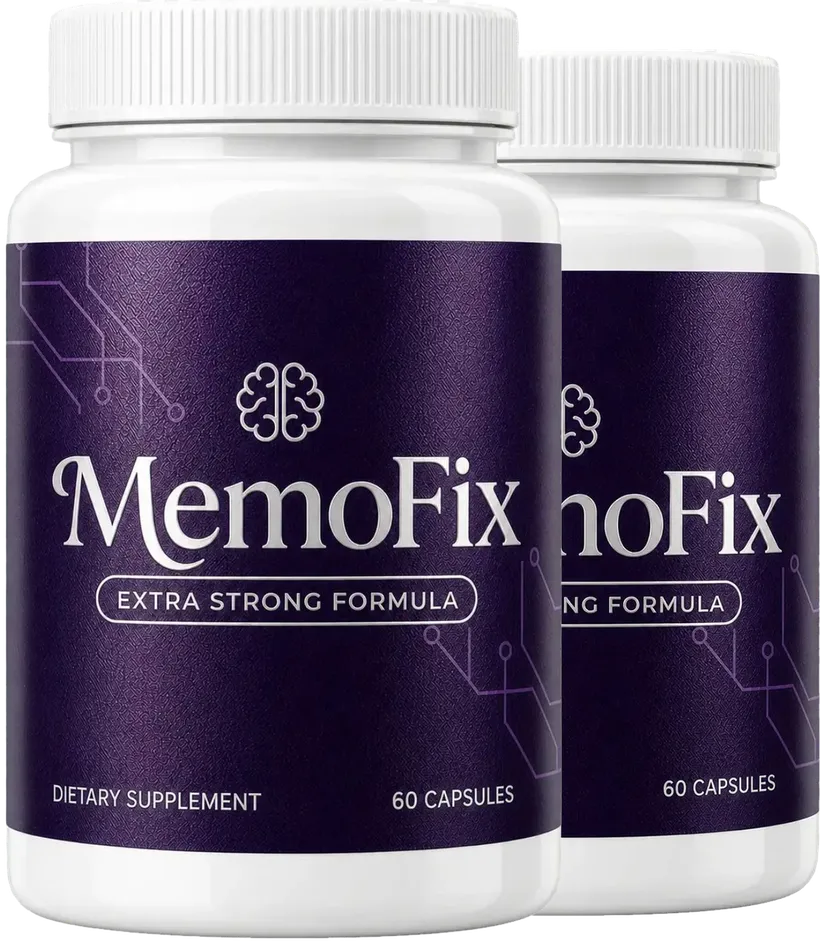
If you have spent any time researching nootropics, you have run into a wall of exotic ingredient names, most of them backed by little more than a hopeful blog post. Citicoline is the rare exception. It is one of the few cognitive-support ingredients with a genuine base of human research behind it — more than 20 trials in people, examining exactly the outcomes most of us care about: attention, focus and memory. When a nootropic ingredient has been tested that many times and still stands, it earns a closer look.
This article is that closer look. We will walk through what citicoline actually is, what the clinical trial base and the 2021 systematic review really show, how much to take and how long it takes to work — and, just as importantly, where the honest limits of the evidence lie. No hype, no cure claims, just the numbers you can use to decide whether a citicoline-forward formula belongs in your routine.
What is citicoline, and why do nootropic formulas use it?
Citicoline is the common name for cytidine 5′-diphosphocholine, usually shortened to CDP-choline. It is a compound that occurs naturally in every cell of your body, and when you take it as a supplement it breaks down into two useful pieces: choline and cytidine. Both are raw materials your brain puts to work immediately.
Choline is the precursor your neurons use to manufacture acetylcholine, a neurotransmitter tightly linked to attention, learning and memory. Cytidine converts to uridine, which feeds into the synthesis and repair of phospholipids — the fatty molecules that make up the membranes of your brain cells. In plain terms, citicoline hands your brain both a signalling chemical and structural building blocks at the same time. That dual role is why formulators reach for it, and why it has been studied so widely compared with the average nootropic ingredient.
It is worth being precise about what citicoline is not. It is not a stimulant. It does not work like caffeine, delivering a jolt and a crash. And it is not a drug: as a dietary ingredient it is intended to support normal cognitive function, not to treat, cure or prevent any medical condition. Keeping that framing straight is the difference between using citicoline sensibly and expecting it to do something no supplement can.
What the citicoline clinical evidence actually shows
Here is where citicoline separates itself from the crowd. The ingredient has been examined in more than 20 human trials, a depth of research most nootropics never approach. The outcomes those trials looked at cluster around attention and information processing, working memory, and episodic memory — the everyday cognition of holding a thought, staying on task and recalling what you learned.
The single most useful piece of evidence for a buyer is a 2021 systematic review that pooled 14 randomised controlled trials of citicoline. A systematic review sits near the top of the evidence hierarchy precisely because it does not rest on one flattering study; it gathers the body of controlled research and asks what holds up across all of it. That review reported benefits for attention and memory measures associated with citicoline supplementation. When a conclusion survives across 14 controlled trials rather than a single sponsored one, it deserves real weight.
Two honest caveats keep this in perspective. First, the trials vary in who was studied, from healthy adults to older populations, and effect sizes vary with them — the benefit is real but it is support, not transformation. Second, no reputable review frames citicoline as a treatment for any disease; the language is consistently about cognitive support and performance on specific tests. That is exactly the honest register a supplement ingredient should occupy, and it is the register we hold every ingredient to in our wider plain-English guide to brain health supplements.
How citicoline supports acetylcholine and mental energy
The mechanism behind the trial results is refreshingly concrete. By raising the availability of choline, citicoline supports your brain's production of acetylcholine — the “focus and memory” neurotransmitter. More available acetylcholine is thought to underpin the sharper attention people report. Separately, the cytidine-to-uridine pathway supports mitochondrial function and membrane health, which ties into the subjective sense of “mental energy” many users describe: not the wired feeling of a stimulant, but a cleaner ability to sustain concentration through a long task.
That combination — a neurotransmitter precursor plus structural support — is why citicoline is often described as foundational rather than flashy. It is not designed to be felt as a rush. It is designed to keep the machinery of attention well supplied.
How much citicoline should you take?
The dosing question has a clean answer because the research is consistent. Across human studies of citicoline for attention and general cognitive support, the typical range is 250 to 500 mg per day. Some clinical protocols have used higher amounts in specific populations, but for everyday focus and memory support in healthy adults, 250–500 mg daily is the researched sweet spot and the range you will find in well-formulated products.
Two practical points follow. Start at the lower end — 250 mg — especially if you are new to nootropics, and give your body time to adjust before considering more. And prioritise consistency over dose escalation: taking 250 mg every single day for two months will tell you more than bouncing between 250 and 500 mg at random. Citicoline is a build-the-habit ingredient, not a chase-the-dose one.
This is also where formula transparency becomes non-negotiable. A label can name citicoline proudly and still bury it inside a “focus blend” total that could contain a token amount. The only way to know you are getting a researched dose is a panel that prints the citicoline amount on its own line. If dosing transparency across ingredients is new to you, our breakdown of how long nootropics take to work explains why the printed number matters as much as the ingredient name itself.
Want a nootropic that respects the research on dosing?
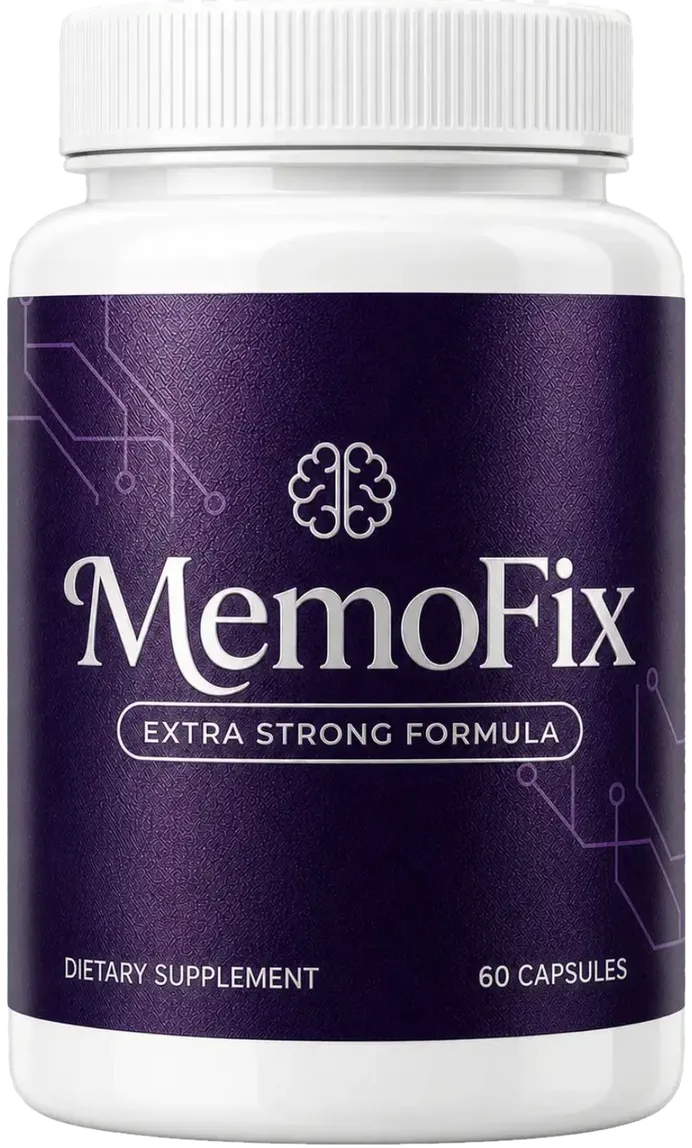
MemoFix prints a milligram amount for every active on its panel — the transparency you need to check any dose against the trials — and backs the bottle with a 60-day money-back guarantee.
Check MemoFix Pricing at the Official StoreHow long does citicoline take to work?
One of citicoline's advantages is that it works on a friendlier timeline than the slowest nootropics. Many people report noticeably steadier attention within the first one to two weeks of daily use — markedly faster than a botanical like bacopa monnieri, whose memory benefit accrues over eight to twelve weeks. That earlier onset is one reason citicoline pairs so well with slow builders: it can carry the near-term focus while the botanicals do their longer, quieter work.
The memory-related benefits measured in trials, however, are typically assessed over several weeks of consistent supplementation. So the honest expectation is a split one: attention may sharpen relatively early, while the deeper memory support is best judged after a month or two. Either way, the rule is the same as with any cognitive ingredient — take it daily, give it a fair window, and evaluate it over weeks rather than off a single capsule.
Common objections and myths about citicoline
Myth: “Citicoline is just an expensive way to get choline.” Not quite. Plain choline sources supply the choline half, but citicoline also delivers cytidine, which supports membrane and mitochondrial pathways that plain choline does not. It is the dual delivery — and the fact that it is the specific form used in the human trials — that makes citicoline worth its place.
Myth: “If it doesn't hit like caffeine, it isn't doing anything.” This trips up a lot of first-time users. Citicoline is not a stimulant and is not meant to be felt as a buzz. Its effect is the quiet absence of an afternoon fog, the ability to stay with a task — subtler than caffeine, and, unlike caffeine, without the crash.
Myth: “More citicoline means more benefit.” The trial base settled on 250–500 mg for a reason. Megadosing beyond the studied range is not supported by better outcomes and simply moves you outside the evidence. Respecting the researched dose is the smarter play.
One last objection worth naming plainly: no nootropic, citicoline included, replaces sleep, exercise and managing your blood pressure and blood sugar. Those foundations do more for your long-term cognition than any capsule. Citicoline is support layered on top of them, never a substitute.
Where citicoline fits in a smart nootropic stack — and how MemoFix uses this thinking
The most sensible nootropic formulas do not chase a single hero ingredient; they combine a fast actor for near-term focus with slower botanicals that build over weeks. Citicoline is a natural anchor for the focus side of that equation, which is why it and choline-supporting actives feature so often in serious stacks.
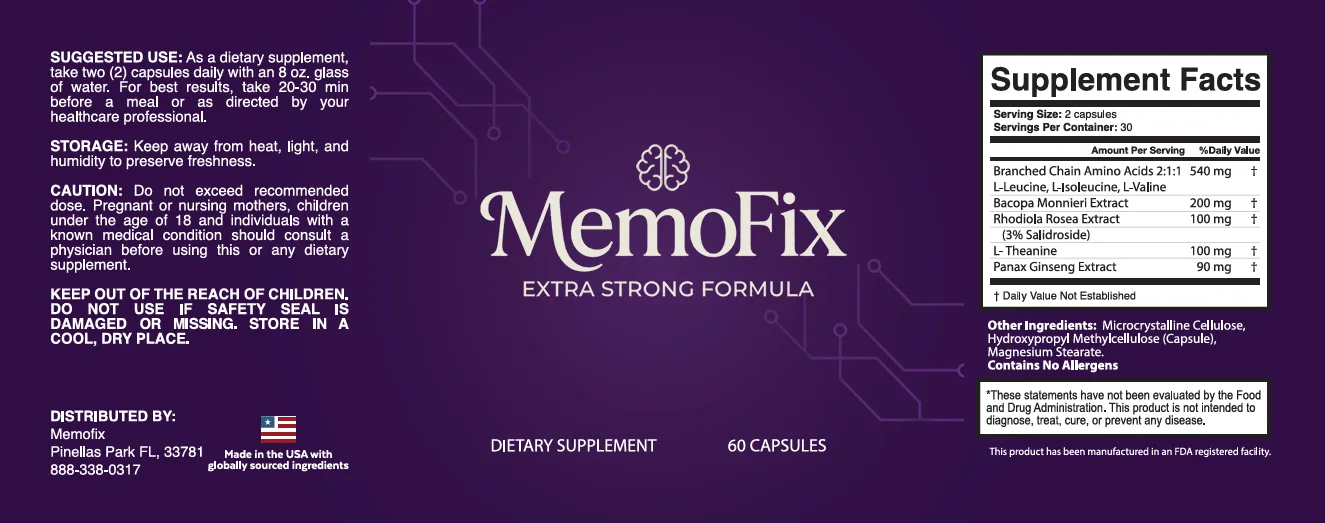
MemoFix is a useful worked example of the transparency principle this article keeps coming back to. Its label prints an individual amount for every active — rhodiola rosea extract (100 mg, standardised to 3% salidroside), L-theanine (100 mg), branched-chain amino acids 2:1:1 (540 mg), bacopa monnieri extract (200 mg) and panax ginseng extract (90 mg), two capsules a day. Nothing is hidden inside a blend. The honest point for a citicoline researcher is that you can read a panel like that and immediately check whether the choline-support and focus ingredients hit their studied ranges, instead of hoping. That ability to verify is the entire advantage of choosing an open label, and it is the standard we apply in our full guide to choosing the best memory supplement.
If your priority is citicoline specifically, the buyer's move is simple: insist on a panel that prints the amount, match it against the 250–500 mg range, and give the formula a consistent two-month trial behind a money-back guarantee so your own attention and recall are the verdict that counts.
Put a transparent, research-respecting nootropic to the test
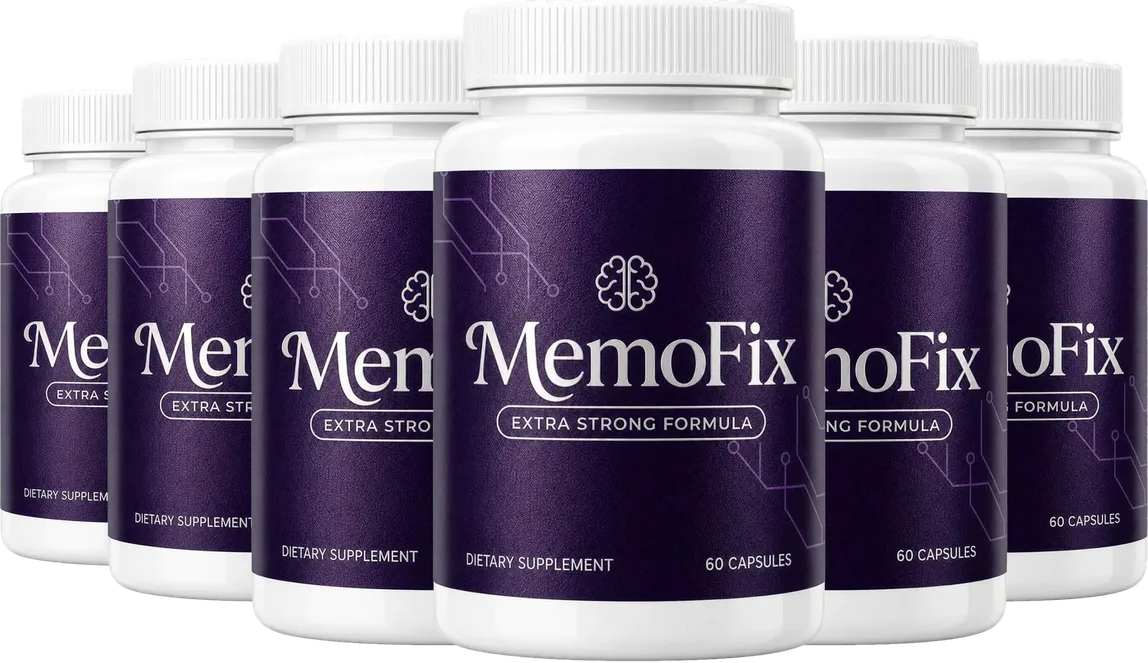
See MemoFix's current official-store pricing, verify the printed doses against the evidence in this article, and use the full 60-day window to judge focus and recall on your own results.
Order MemoFix From the Official StoreFrequently asked questions
What does citicoline do for the brain?
Citicoline supplies choline and cytidine, two building blocks your brain uses to make acetylcholine, the neurotransmitter tied to attention and memory, and to maintain healthy neuronal membranes. In human trials it has been studied for attention, focus and aspects of memory, which is why it is considered one of the better-evidenced nootropic ingredients for everyday cognitive support rather than a stimulant.
How much citicoline should I take for focus?
Most human studies of citicoline for attention and focus use 250 to 500 mg per day, and that is the range you will see on well-formulated nootropics. Higher amounts have been studied in clinical settings, but for general focus support 250 to 500 mg daily is the researched sweet spot. Start at the lower end, take it consistently, and clear it with your doctor first.
How long does citicoline take to work?
Some people notice sharper attention within the first one to two weeks of daily citicoline, which is faster than slow-building botanicals such as bacopa. Memory-related benefits in trials are usually measured over several weeks of consistent use. Treat it as a daily habit rather than an on-demand pill, and judge it after a month or two, not a single dose.
Is citicoline safe to take every day?
Citicoline is generally well tolerated in studies at the commonly used 250 to 500 mg daily range, with side effects being uncommon and usually mild, such as a headache or stomach upset. Well tolerated for most is not the same as right for everyone, so if you are pregnant, take medication or manage a health condition, confirm daily use with a healthcare professional first.