Lion's Mane Mushroom: Benefits for the Brain
What are the benefits of lion's mane for the brain?
Lion's mane mushroom is studied for cognitive support, with early human research pointing to possible memory and clarity benefits and preclinical work exploring its link to nerve growth factor. The honest view is that the human evidence is promising but limited, so lion's mane is best treated as a supportive, slow-acting nootropic rather than a proven cure.
- Nerve growth factor research is mostly preclinical and early-stage, not proof in humans.
- Onset is slow — 2026 timeline data suggests up to 16 weeks of daily use.
- Typical dose is 500–1,000 mg per day of a standardised extract.
Few nootropic ingredients have caught fire quite like lion's mane mushroom. It is on café menus as a coffee add-in, in gummies at the checkout counter, and all over social media with claims that range from reasonable to wildly overblown. Cutting through that noise is the point of this guide. Lion's mane mushroom is a genuinely interesting brain-support ingredient with a real research thread — but it is also one of the most misunderstood, mostly because people expect it to work like a stimulant and quit long before it has a chance to do anything.
So here is the honest framing up front. The compounds in lion's mane are being studied for how they interact with nerve growth factor and cognitive function, and early human trials are encouraging. But most of the exciting mechanism research is preclinical, the human evidence is still limited, and the effects — when they come — come slowly. Set your expectations to that reality and lion's mane can be a worthwhile part of a stack. Expect a miracle in a week and you will be disappointed by an ingredient that never promised speed.
What is lion's mane mushroom?
Lion's mane (botanical name Hericium erinaceus) is an edible mushroom named for its shaggy, cascading white spines that really do look like a lion's mane. It has a long history in East Asian cooking and traditional wellness practice, and in the last decade it has been reframed as a “functional mushroom” — a food-derived ingredient taken for a specific benefit rather than flavour.
Its cognitive interest centres on two families of compounds: hericenones, found in the fruiting body, and erinacines, found in the mycelium. In laboratory research these compounds are studied for their interaction with nerve growth factor, or NGF — a protein involved in the growth, maintenance and survival of neurons. That NGF connection is the single biggest reason lion's mane became a nootropic darling. It is also the reason so much marketing overstates the case, which is exactly what the next section untangles.
Lion's mane mushroom and nerve growth factor: what the research really shows
Here is the part the hype tends to skip. The most eye-catching lion's mane findings — the ones about stimulating nerve growth factor and encouraging neurite outgrowth — come largely from preclinical research: cell cultures in a dish and studies in animals. That work is scientifically real and genuinely promising. It is also not the same as proof that eating a lion's mane capsule does the same thing in a living human brain.
The human evidence exists but is thinner. A small number of trials in people have looked at lion's mane and cognitive measures, with some reporting modest improvements in cognition or mood over weeks of use, and others being limited by size or duration. The honest summary is this: the mechanism research (NGF, neurite outgrowth) is mostly preclinical and early; the human outcome research is limited but pointing in an encouraging direction. Anyone telling you lion's mane is a proven brain booster is running ahead of the data.
None of that makes lion's mane a bad ingredient — it makes it an honest one. As a dietary ingredient it is used for cognitive support, and it does not treat, cure or prevent any disease. Holding it to that standard is not damning it with faint praise; it is simply describing it accurately, the same way we assess every ingredient in our plain-English guide to brain health supplements.
How long does lion's mane take to work? Setting honest expectations
This is the single most important thing to understand before you buy, because it is where most people go wrong. Lion's mane is slow. 2026 timeline data on the ingredient suggests that onset can take up to 16 weeks — roughly four months — of consistent daily use before benefits become noticeable. That is not a typo. This is one of the most patient ingredients in the entire nootropic category.
Some people report subtle shifts in mental clarity earlier than that, and pleasant surprises happen. But you should plan around the long timeline, not the exceptions. The practical consequence is that a single 30-count bottle is almost useless for judging lion's mane — it runs out long before the ingredient has had a fair chance. If you are going to try it, commit to a multi-month supply and a daily habit from the start. The people who conclude “lion's mane did nothing” are, more often than not, the people who quit at week three. For the fuller picture of how onset varies across ingredients, our companion piece on how long nootropics take to work maps lion's mane against faster actors like L-theanine and citicoline.

Prefer a nootropic built for the long game — with nothing hidden?
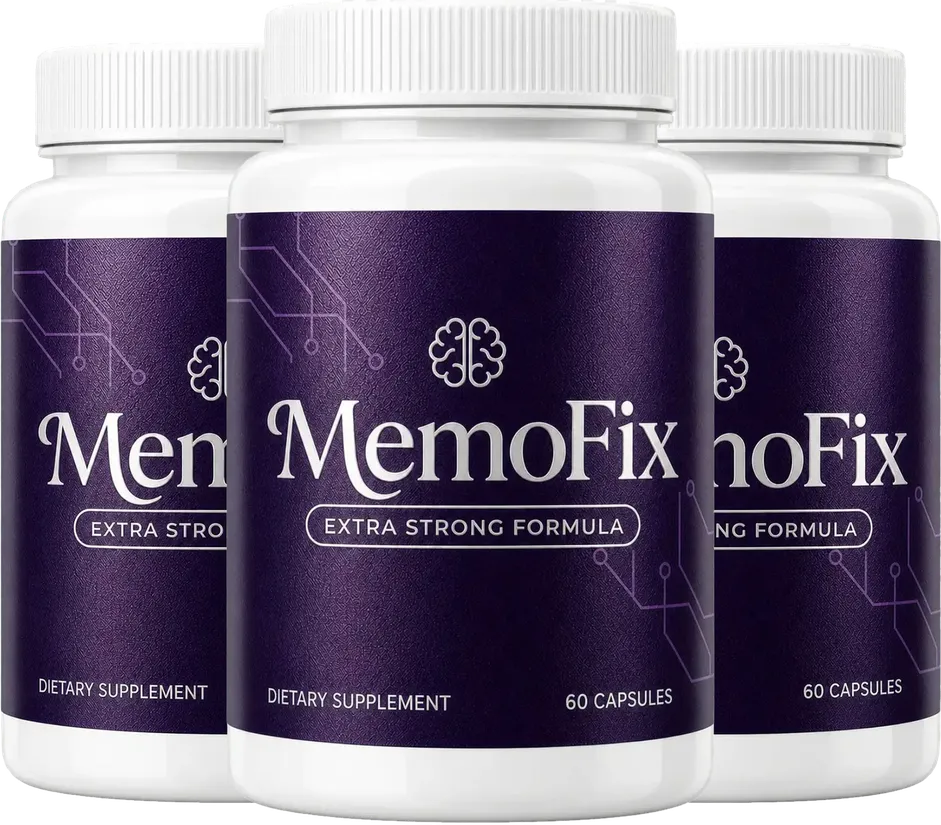
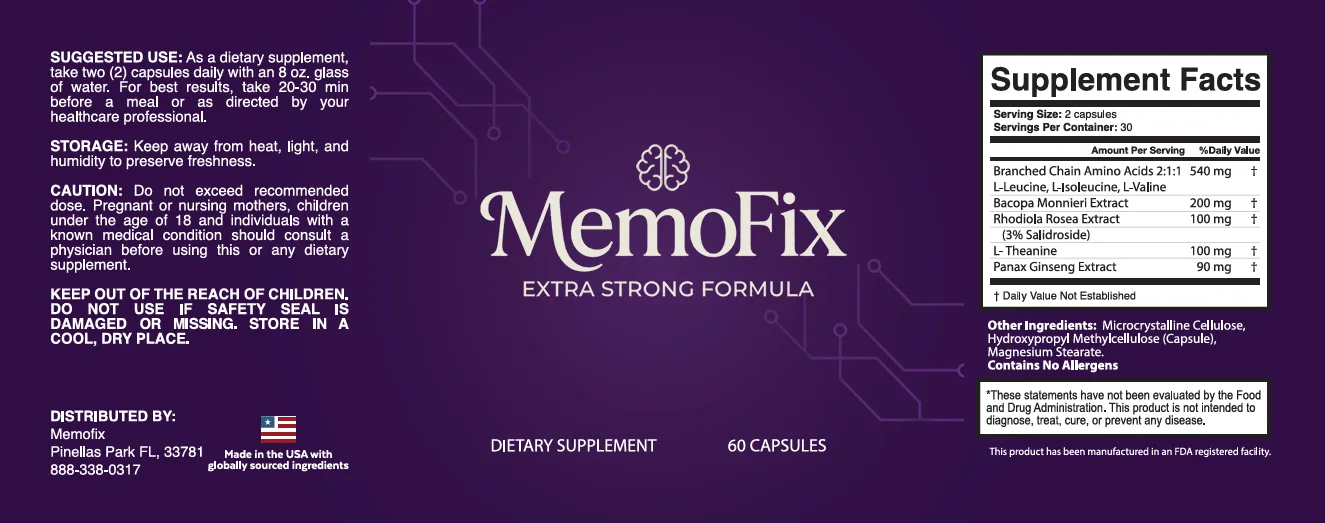
MemoFix prints an amount for every active and a standardisation on its rhodiola line, then backs the bottle with a 60-day money-back guarantee — long enough to judge a slow-building formula fairly.
Check MemoFix Pricing at the Official StoreWhat is the right lion's mane dosage?
The dosing most commonly seen in research and on quality labels is 500 to 1,000 mg per day of a standardised lion's mane extract. As with most botanicals and mushrooms, the number that matters is not just the raw milligram weight but the standardisation — how concentrated the active compounds are. A gram of a weak, non-standardised powder is not equivalent to a well-standardised extract at the same weight.
A few practical rules. Favour a standardised extract over plain mushroom powder where you can, and look for a label that actually tells you what it standardises to. Prefer products that specify whether they use fruiting body, mycelium or both, since the compound profiles differ. Start at the lower end of the range, take it at the same time each day, and — because this is a months-long ingredient — buy enough to cover the timeline. And as always, the amount should be printed on its own line, not folded into a “mushroom blend” total that hides how much lion's mane you are really getting.
Does lion's mane have side effects, and other common myths
Myth: “Because it's a mushroom, it can't cause any problems.” Lion's mane is generally well tolerated, and reported side effects are uncommon and usually mild — digestive discomfort being the most common. But it is a mushroom, so people with mushroom or mould allergies should be cautious, and anyone on medication should check first. “Natural” is not a synonym for “risk-free.”
Myth: “Lion's mane regrows your brain.” This is the NGF research stretched past breaking point. The nerve growth factor work is real but largely preclinical, and it does not license claims about rebuilding or curing anything. Lion's mane offers cognitive support; it is not a treatment for any neurological condition, and honest sellers do not pretend otherwise.
Myth: “If it doesn't work in a couple of weeks, it's useless.” For lion's mane specifically, a couple of weeks is nowhere near enough. With onset stretching toward 16 weeks, early quitting is the number-one reason people write it off. Judge it on a three-to-four-month trial or do not judge it at all.
And the honest note that applies to every ingredient on this site: no mushroom or capsule outperforms the fundamentals. Sleep, regular movement, and keeping your blood pressure and blood sugar in check do more for your long-term brain than any supplement. Lion's mane, like any good nootropic, is support on top of those foundations — never a replacement for them.
Where lion's mane fits in a stack — and the transparency lesson from MemoFix
Because lion's mane is slow, it works best as one patient layer inside a broader stack that also includes faster-acting focus support. That is the logic behind well-designed nootropic formulas generally: pair a near-term focus ingredient with slow builders so you have something working while the patient compounds do their quiet work over months.
MemoFix is a useful worked example not because it is a lion's mane product — it is not — but because it models the transparency standard you should demand of any lion's mane supplement too. Its panel prints an individual amount for every active: rhodiola rosea extract (100 mg, standardised to 3% salidroside), L-theanine (100 mg), branched-chain amino acids 2:1:1 (540 mg), bacopa monnieri extract (200 mg) and panax ginseng extract (90 mg), two capsules a day. Nothing is buried in a blend, and one botanical carries a standardisation. Apply that same lens when you shop for lion's mane: if a label will not print the milligrams and name the standardisation, it is asking you to hope rather than verify. For the full framework on separating verifiable formulas from filler, see our nootropic side effects and safety guide.

Give a transparent nootropic the patient trial it deserves
See MemoFix's current official-store pricing, verify the printed doses and standardisation for yourself, and use the full 60-day window to judge clarity and recall on your own results.
Order MemoFix From the Official StoreFrequently asked questions
What are the benefits of lion's mane for the brain?
Lion's mane mushroom is studied for cognitive support, with early human research pointing to potential benefits for memory and mental clarity, and preclinical work exploring how its compounds interact with nerve growth factor. The honest position is that the human evidence is promising but still limited, so lion's mane is best viewed as a supportive nootropic for everyday cognition rather than a proven treatment for any condition.
How long does lion's mane take to work?
Lion's mane is a slow-acting nootropic, and 2026 timeline data suggests onset can take up to 16 weeks of consistent daily use before benefits become noticeable. Some people report subtle changes in clarity sooner, but the deeper cognitive support is measured over months. Set expectations accordingly, take it every day, and judge it after a full three to four month window.
What is the right lion's mane dosage?
Most lion's mane supplements use 500 to 1,000 mg per day of a standardised extract, which is the range commonly seen in research and on quality labels. Standardisation matters more than raw weight, so look for an extract that names its active compounds. Start at the lower end, take it daily, and confirm the dose with your doctor if you take medication.
Does lion's mane have any side effects?
Lion's mane is generally well tolerated, with side effects being uncommon and usually mild, such as digestive discomfort. Because it is a mushroom, people with mushroom or mould allergies should be cautious. Well tolerated for most is not the same as safe for everyone, so if you are pregnant, take medication or manage a health condition, speak to a healthcare professional before starting.