Omega-3 and Brain Health: What Studies Show
Does omega-3 support brain health?
Omega-3 fatty acids, especially DHA, are major structural fats in the brain, and studies link adequate intake with support for memory and healthy cognitive function, most clearly in people with low baseline levels. Omega-3 brain health is best understood as a foundational support you build on, not a fast enhancer, which is why it pairs well with a nootropic stack.
- DHA is a major structural fat in neuronal membranes — the brain is built partly from it.
- Typical support range is 1,000–2,000 mg of combined EPA and DHA per day.
- Pair omega-3 with focus-and-memory nootropics for broader cognitive support.
Of all the nutrients tied to the mind, few have the search demand or the biological logic of omega-3. Around 9,900 people a month look up “omega 3 brain health,” and a nearly identical 9,900 search “omega 3 fatty acids brain health” — a low-competition term that signals genuine, unmet curiosity. That interest is earned, because omega-3 is not another exotic nootropic hoping for a study. It is a nutrient your brain is physically built from, and the research on it is deep, mainstream and decades old.
This article lays out what the studies actually show about omega-3 and brain health: DHA's structural role, how DHA and EPA differ, how much to take, whether food can do the job, and where an omega-3 foundation fits alongside a focus-and-memory nootropic stack. As always, the goal is the honest version — the real support omega-3 offers, and the limits it does not cross.
Why omega-3 fatty acids matter for brain health
Start with a fact that reframes the whole conversation: your brain is roughly 60% fat by dry weight, and a large share of that is DHA, an omega-3 fatty acid. This is not a metaphor. DHA is a genuine structural component of the membranes that wrap every neuron and form the synapses where brain cells communicate. When people say omega-3 is “food for the brain,” the literal truth is closer to “building material.”
Because DHA is woven into brain structure, having enough of it supports the physical integrity of neuronal membranes and the fluid signalling that depends on them. That structural role is why omega-3 for brain health is studied so differently from a stimulant or a fast-acting focus ingredient. You are not spiking a neurotransmitter for an afternoon; you are maintaining the raw material the brain is made from. It is foundational support in the most literal sense, which is exactly why it belongs in any serious conversation about how brain health supplements actually work.
DHA vs EPA: what the studies show about each
“Omega-3” is an umbrella term, and for brain purposes the two members that matter most are DHA (docosahexaenoic acid) and EPA (eicosapentaenoic acid). They are related but not interchangeable, and understanding the split is the key to reading an omega-3 label sensibly.
DHA is the structural one. As the major omega-3 in neuronal membranes, DHA is the fatty acid most directly tied to brain structure and, in the research, to memory and cognitive support. If your primary interest is brain health specifically, DHA is the number to watch on the label.
EPA is the signalling one. EPA is more associated with mood and the body's inflammatory balance. It is not irrelevant to the brain — the two work as a system — but its headline research skews toward mood and cardiovascular support rather than brain structure.
For most people the practical answer is not to pick one but to take a combined EPA and DHA supplement, then make sure the DHA figure is meaningful if brain health is the goal. What the studies consistently reinforce is that the benefit is clearest for maintaining healthy function — and most pronounced in people who started with low omega-3 levels — rather than supercharging an already well-nourished brain. That is an honest and important distinction, and it is the same evidence-first lens we apply across our roundup of the vitamins and nutrients that support memory and focus.
How much omega-3 should you take for brain health?
The commonly cited range for general and brain health support is roughly 1,000 to 2,000 mg of combined EPA and DHA per day. That is the target most guidelines and studies circle around, and it is a sensible band for most healthy adults looking to support cognition.
The single most important label-reading skill here is to look past the big number on the front. A softgel might advertise “1,000 mg fish oil,” but the EPA and DHA inside could add up to only a few hundred milligrams — the rest is other fats. The number that matters for brain health is the combined EPA + DHA total, and the DHA figure within it. Turn the bottle over, find those two lines, and dose against them, not the fish oil weight. Start within the 1,000–2,000 mg EPA/DHA range, take it with a meal that contains fat for better absorption, and be consistent. And, as with any supplement, clear it with your doctor first — omega-3 can matter if you take blood-thinning medication.
Building an omega-3 foundation? Layer a focus-and-memory nootropic on top.
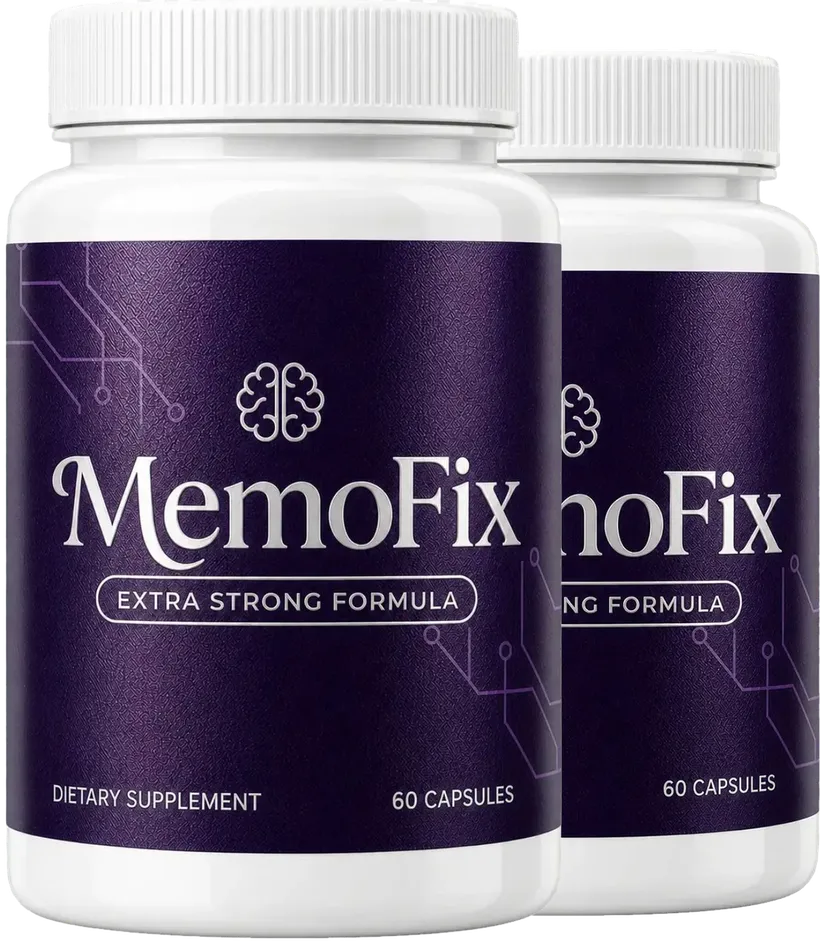
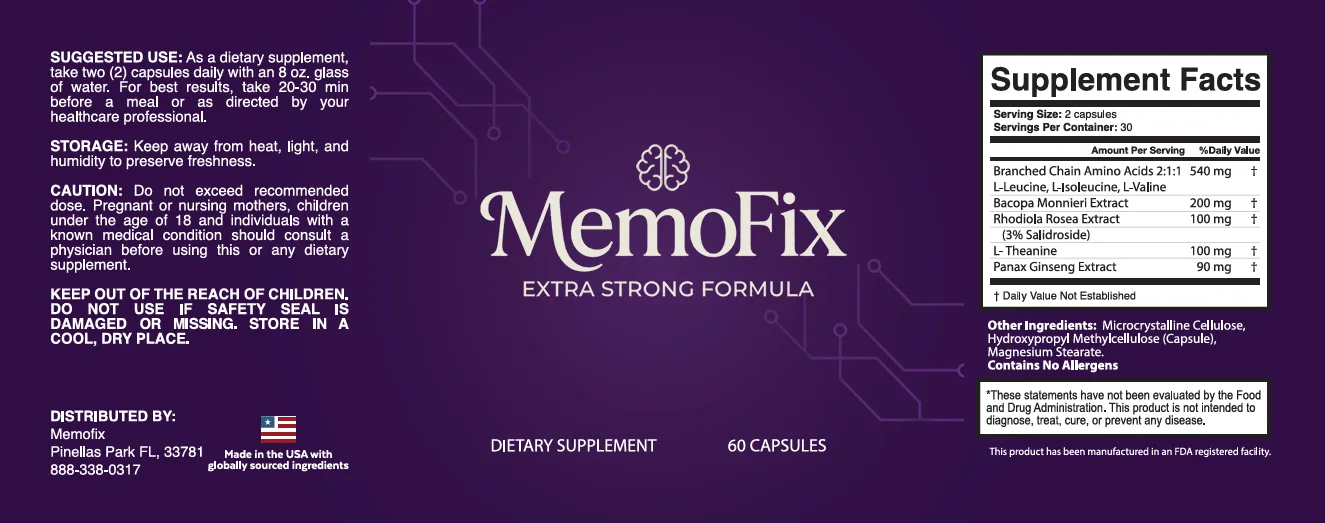
MemoFix prints an amount for every active on its panel — the same label-first standard you should apply to your fish oil — and backs the bottle with a 60-day money-back guarantee.
Check MemoFix Pricing at the Official StoreCan you get enough omega-3 from diet alone?
Yes — in principle, and it is the best foundation there is. Fatty fish such as salmon, sardines, mackerel and anchovies are rich, well-absorbed sources of EPA and DHA, and eating them two to three times a week can meet most people's needs without a capsule in sight. Food first is genuinely the ideal for omega-3 brain health.
The honest complication is that many people simply do not eat fish that often. And the popular plant-based omega-3 sources — flaxseed, chia, walnuts — supply ALA, a shorter-chain omega-3 that the body converts to DHA and EPA only inefficiently. So a vegetarian relying on flax may still fall short on the DHA that matters most for the brain (algae-based DHA supplements are a good plant option here). This is where a supplement earns its place: not as a replacement for a good diet, but as a practical way to close a real gap. Eat the fish when you can; supplement to cover the weeks you cannot.
Common myths about omega-3 and the brain
Myth: “More omega-3 always means a sharper brain.” The evidence is clearest for supporting healthy function and correcting a shortfall, and strongest in people who started low. Pushing megadoses on an already well-nourished brain does not reliably buy extra sharpness, and very high intakes carry their own considerations. Aim for the researched range, not the maximum.
Myth: “Omega-3 works like a focus pill you feel today.” It does not. Omega-3 is structural and foundational; its role is measured over months of adequate intake, not in the hour after a softgel. If you want same-day focus support, that is the job of different ingredients — which is precisely why omega-3 and nootropics complement rather than compete.
Myth: “All fish oils are the same.” They are not. They differ in EPA/DHA concentration, in form, in freshness and in purity. The only way to compare them fairly is the label: the EPA and DHA amounts, printed clearly. A bottle that hides those behind a vague “omega-3 complex” total is asking you to guess.
And the foundational truth behind all of it: no capsule, omega-3 included, replaces sleep, movement and managing blood pressure and blood sugar. Those do more for long-term brain health than any supplement. Omega-3 is a strong foundation to build on — not a substitute for the basics.
Pairing omega-3 with a nootropic stack — where MemoFix fits
Here is the framing that ties it together. Omega-3 and a focus-and-memory nootropic are not rivals; they operate on different timescales and different jobs. Omega-3 supplies the structural foundation over the long term. A well-built nootropic layers targeted, shorter-horizon cognitive support on top — attention, mental energy, memory ingredients dosed to their research. Run together, they cover more of the picture than either does alone.
MemoFix is a useful worked example of the standard to hold both to: transparency. Its panel prints an individual amount for every active — rhodiola rosea extract (100 mg, standardised to 3% salidroside), L-theanine (100 mg), branched-chain amino acids 2:1:1 (540 mg), bacopa monnieri extract (200 mg) and panax ginseng extract (90 mg), two capsules a day. Nothing is buried in a blend. That is exactly the label-first discipline this article asked you to apply to fish oil — find the numbers, check them against the research, decide with real information. Note, honestly, that MemoFix is a nootropic and not an omega-3 product; the sensible move is to run a quality EPA/DHA supplement as your foundation and add a transparent nootropic like this for the focus-and-memory layer. If you want the shortlist of formulas that pass this transparency test, our guide to the memory pills that actually work is the natural next read.
Complete your omega-3 foundation with a transparent nootropic
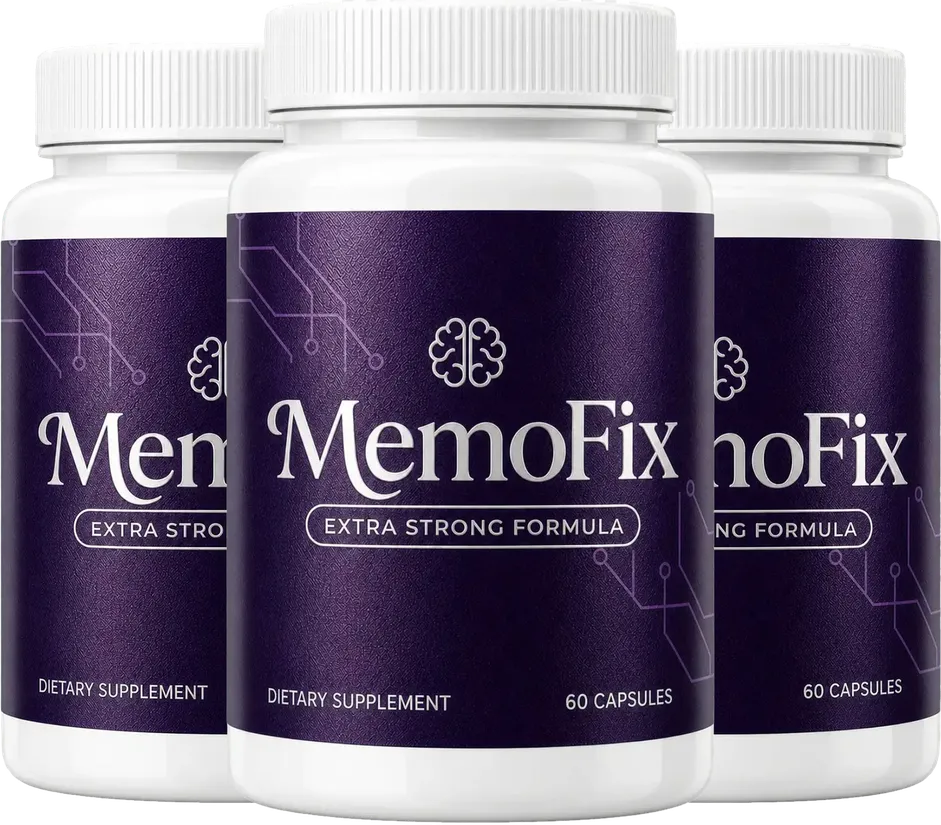
See MemoFix's current official-store pricing, verify the printed doses the same way you would read a fish oil label, and use the full 60-day window to judge focus and recall on your own results.
Order MemoFix From the Official StoreFrequently asked questions
Does omega-3 improve memory and brain function?
Omega-3 fatty acids, especially DHA, are major structural fats in the brain, and studies link adequate omega-3 intake with support for memory and cognitive function, particularly in people with low baseline levels. The evidence is strongest for maintaining healthy brain function rather than dramatically boosting an already well-nourished brain, so omega-3 is best seen as a foundational support rather than a fast cognitive enhancer.
How much omega-3 should I take for brain health?
Many studies and guidelines point to roughly 1,000 to 2,000 mg of combined EPA and DHA per day for general and brain health support, with DHA being the omega-3 most tied to brain structure. Check the EPA and DHA amounts on the label rather than the total fish oil weight, start within that range, and confirm the dose with your doctor if you take medication.
Which is better for the brain, EPA or DHA?
For brain structure and memory support, DHA is the more relevant omega-3 because it is a major structural fat in neuronal membranes. EPA is more associated with mood and inflammatory balance. Most people benefit from a combined EPA and DHA supplement rather than choosing one, but if brain health is the priority, ensure the product provides a meaningful DHA amount.
Can I get enough omega-3 from diet alone?
You can, if you regularly eat fatty fish such as salmon, sardines or mackerel two to three times a week, which is the ideal source of EPA and DHA. Many people fall short, and plant sources like flax provide ALA that converts poorly to DHA. A supplement is a practical way to close the gap, but food-first remains the best foundation for omega-3 brain health.