Memory Pills That Work: What to Look For
Which memory pills actually work?
Memory pills that work contain ingredients with human research behind them at verifiable doses. The strongest evidence sits with bacopa monnieri for recall over weeks, citicoline for attention, and omega-3 for general brain health. They offer modest cognitive support, and work best alongside exercise, sleep and a good diet.
- Strongest research: bacopa monnieri, citicoline, and omega-3 fatty acids.
- Dose matters — a named ingredient is worthless below its studied amount.
- The biggest predictor of memory protection is regular physical activity.
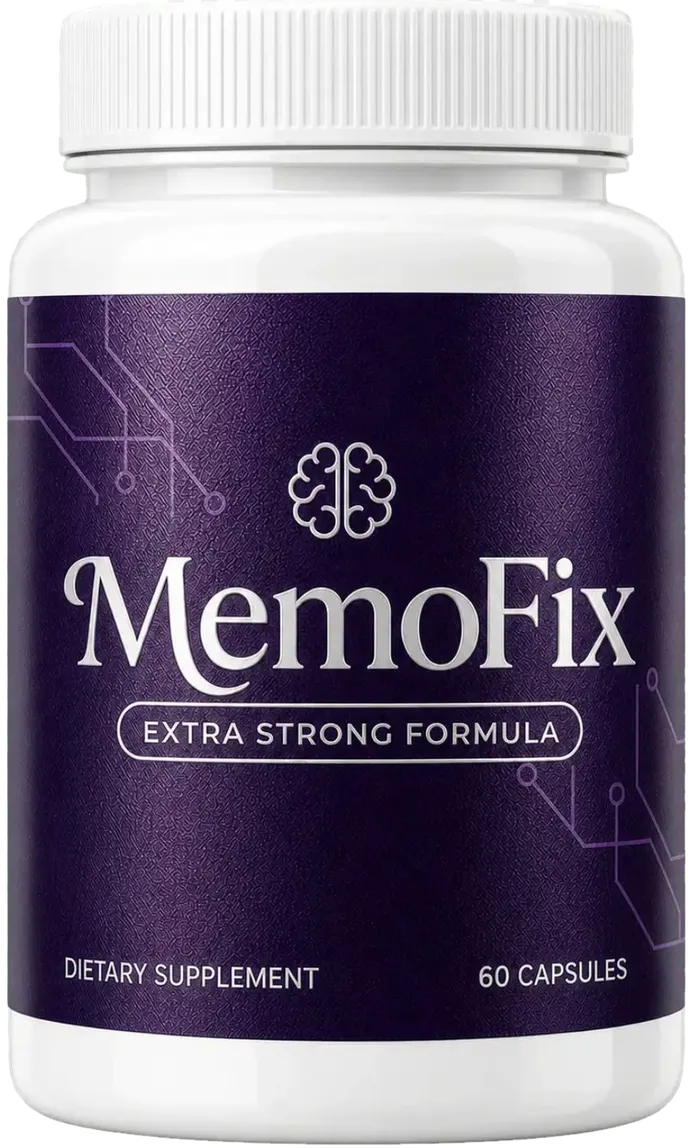
Do memory pills actually work, or are they just clever marketing in a capsule? It is a fair question, and about 4,400 people ask it every month. The honest answer is: some ingredients help a little, some do nothing, and the difference comes down to evidence and dose. This is an evidence-first guide, not a hype piece. We will name the memory-pill ingredients with genuine human research, flag the ones that survive on reputation alone, and be blunt about what even the best of them can and cannot do. No product on this page treats, cures or prevents any disease, and nothing here is medical advice — but by the end you will know how to spot a memory pill worth taking from one worth skipping.
Let us start with the uncomfortable truth that most supplement ads bury: the single most powerful thing you can do for your long-term memory is not a pill at all. It is regular physical activity, which has stronger evidence for protecting memory as you age than any capsule on the shelf. A good memory pill is a supporting actor on top of exercise, sleep and diet — never the lead. Keep that hierarchy in mind and everything below makes sense.
The memory-pill ingredients that actually have research behind them
You do not need twenty ingredients. You need a few that have been tested in people, for memory or attention, at a dose you can verify. Here are the ones that earn their place.
Bacopa monnieri — the recall workhorse
Of every botanical marketed for memory, bacopa monnieri has the most substantial human evidence for recall specifically, as opposed to alertness or mood. Randomised controlled trials have repeatedly tested standardised bacopa extracts and found benefits to memory that build gradually. Two practical points follow. First, the effect is slow: it generally takes eight to twelve weeks of daily use to appear, so any pill promising overnight recall is contradicting bacopa's own literature. Second, standardisation matters — the benefit is tied to bacoside content, so the concentration on the label counts, not just the milligram weight. Trials commonly use around 300 mg of a standardised extract per day.
Citicoline — the attention and focus support
Citicoline (CDP-choline) is one of the better-studied cognitive ingredients, with a body of human trials examining attention and memory, generally in the 250–500 mg range. Where bacopa is a slow builder, citicoline is more often studied for near-term attention support. Attention is the front door to memory — you cannot recall what you never properly encoded — which is why a focus ingredient belongs in a serious memory conversation. For a deeper look at how it works and how fast, our focused explainer on citicoline for memory and focus walks through the research.
Omega-3 fatty acids — the brain-structure support
Omega-3s, particularly DHA, are structural building blocks of brain cell membranes, and diets higher in omega-3 are associated with better cognitive ageing in population research. The trial evidence for capsules is more mixed than the association data, so the honest framing is: a reasonable foundation for general brain health rather than a targeted recall booster. If your diet is low in oily fish, it is one of the more sensible additions. Our companion guide to omega-3 and brain health covers the DHA-versus-EPA detail.
The supporting cast: L-theanine, rhodiola and ginseng
These do not directly build memory, but they support the conditions memory needs. L-theanine (studied around 100–200 mg) promotes calm, non-jittery focus that many feel the same day. Rhodiola rosea, standardised to a salidroside percentage, is studied for mental fatigue. Panax ginseng is a traditional adaptogen studied for alertness. None is a recall miracle; together they help you show up mentally sharper, which is a real, if indirect, contribution.
The ingredients that survive on hype, not evidence
Just as useful is knowing what to ignore. Some of the most heavily marketed memory-pill ingredients have thin or petri-dish-only human evidence for recall. Be sceptical of exotic-sounding single ingredients promoted with dramatic before-and-after language, of “proprietary blends” that name good ingredients but hide their doses, and of any pill claiming to reverse memory loss or prevent dementia — a claim no supplement is allowed to make and none has earned. A long, unpronounceable ingredient list is usually a sign of thin dosing, not strength: each active is present in a token amount so the label can name it. A short list of properly dosed, well-researched actives beats a kitchen-sink blend every time. For the full category breakdown, our tested and ranked best brain supplements for 2026 sorts the shelf by exactly this evidence-and-dose test.
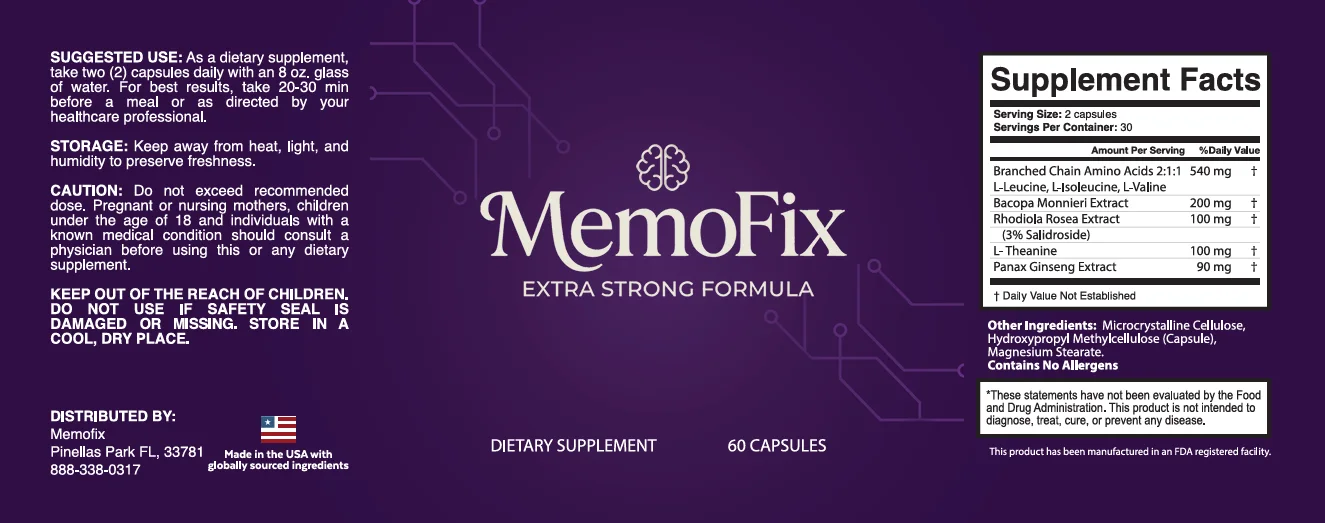
How to read a memory pill label in thirty seconds
Here is the test that separates a real memory pill from a pretty bottle of filler. First, are the ingredients ones with human memory or attention research — bacopa, citicoline, omega-3, L-theanine? Second, is each amount printed, or hidden inside a blend total? Third, do the key doses reach the studied range — bacopa near 300 mg, citicoline 250–500 mg? A pill can proudly name bacopa and include a fraction of the trial dose; the ingredient is technically present, but the effect is not. If you can answer all three questions from the label, the pill respects you enough to let you verify it. If you cannot, that is your answer.
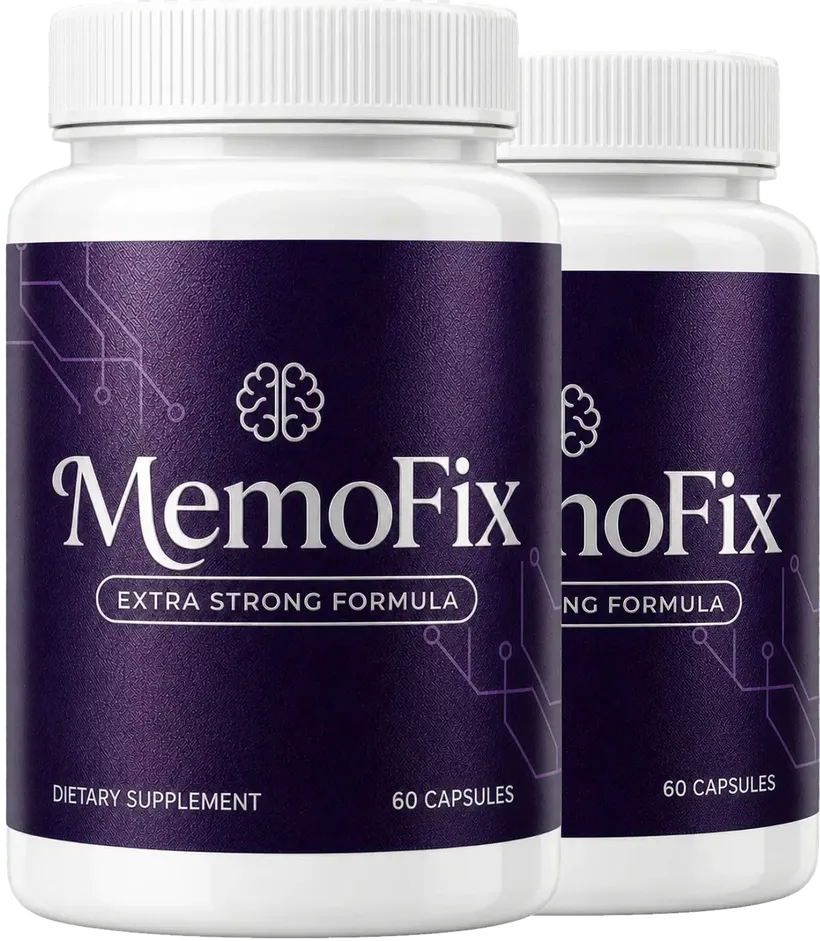
Want a memory pill you can actually verify?
MemoFix prints an amount for all five actives — including bacopa and L-theanine — and a standardisation on its rhodiola, backed by a 60-day money-back guarantee.
Check MemoFix Pricing at the Official StoreWhere MemoFix fits — honestly
MemoFix is a useful worked example of a memory pill that passes the label test most of the category fails. Two capsules a day, sixty capsules per bottle, and the panel prints bacopa monnieri extract (200 mg), rhodiola rosea extract (100 mg, standardised to 3% salidroside), L-theanine (100 mg), panax ginseng extract (90 mg) and branched-chain amino acids 2:1:1 (540 mg). Nothing hidden in a blend, and one botanical carries a standardisation — which already puts it ahead of a large share of memory pills on transparency alone.
The honest part, which we say on every page: its bacopa is 200 mg, below the roughly 300 mg many memory trials use, and it does not include citicoline or omega-3, two of the strongest-evidence ingredients on this list. That is not a reason to dismiss it — it is information you can see and weigh, which is the whole point of an open label. You get to make the trade-off with real numbers instead of guessing behind a blend. For the ingredient-by-ingredient verdict against published dose ranges, our evidence-based MemoFix review lays it all out, and our wider guide to choosing the best memory supplement puts these numbers in context.
What memory pills can and cannot do
Set your expectations correctly and you will not be disappointed. What a good memory pill can do is offer modest support: slightly sharper recall over weeks from bacopa, steadier attention from citicoline or L-theanine, and a structural foundation from omega-3 if your diet is short on it. What no memory pill can do is reverse memory loss, treat or prevent dementia, or substitute for the basics. This is not marketing hedging — it is the actual limit of the evidence, and any product that claims more is overselling.
The basics deserve repeating because they out-perform every capsule: regular physical activity (the strongest predictor of memory protection as you age), consistent sleep, managing blood pressure and blood sugar, staying socially and mentally engaged, and a diet with plenty of vegetables and oily fish. A memory pill is a small, optional layer on top of that foundation. Build the foundation first, and the pill has something to add to.
Common myths about memory pills
Myth: “If it doesn't work in a week, it never will.” For the memory-specific ingredient — bacopa — a week is far too soon. This is the single most common reason people abandon a formula that might have helped them by week ten. Judge memory pills over months.
Myth: “Natural means it always works.” Natural says nothing about evidence or dose. Plenty of natural ingredients have no human memory research, and plenty of pills include good botanicals at useless amounts. Evidence and dose are what matter, not the word “natural” on the front.
Myth: “More expensive means more effective.” Price tracks marketing budgets as much as formulation. A transparent, well-dosed pill at a fair price beats a premium bottle hiding its doses in a blend. Price it by the daily serving and judge the panel, not the packaging.
How to buy a memory pill without the risk
Price a memory pill by the daily serving, not the sticker on the bottle, and let the guarantee do the heavy lifting. Transparent formulas generally run around one to two dollars a day, and larger bundles lower the per-bottle cost — MemoFix, for instance, starts from $49 a bottle with better pricing on its multi-bottle packs. The real risk-reducer is the return window: a 60-day money-back guarantee is long enough to see whether a slow-building memory ingredient like bacopa is doing anything for you, which is exactly why it beats any number of anonymous five-star reviews. Buy the transparent label, take it consistently for the full window, keep exercising, and let your own recall be the review that counts.
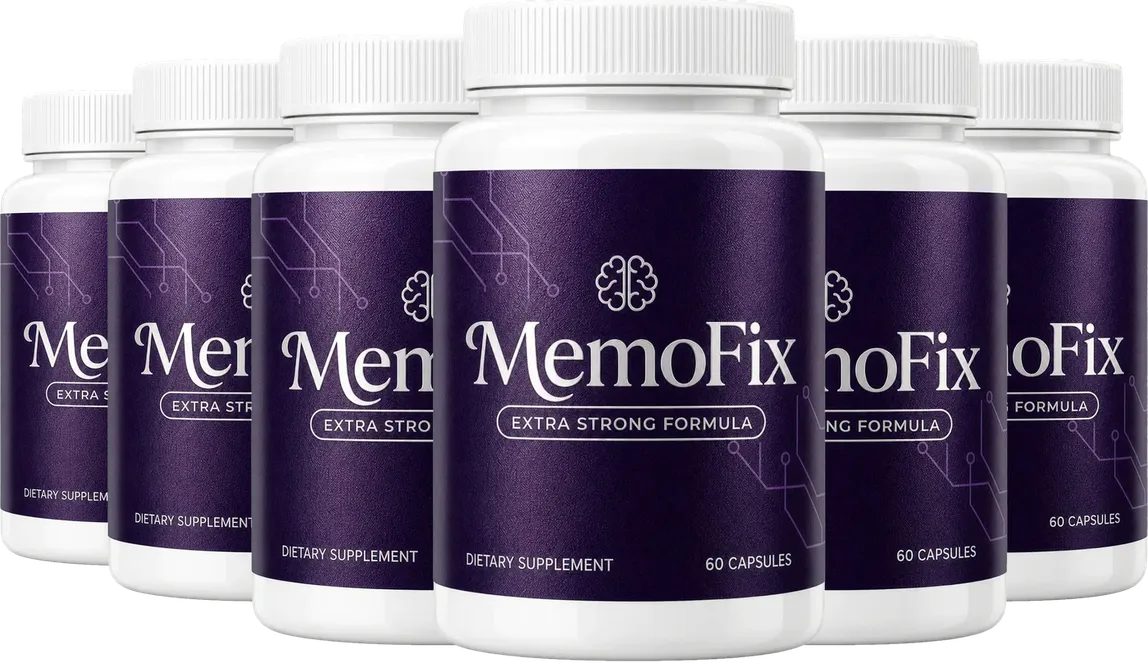
Put a transparent memory pill to the test
See MemoFix's current official-store pricing, verify the printed doses against this guide, and use the full 60-day window to judge it on your own results.
Order MemoFix From the Official StoreFrequently asked questions
Do memory pills really work?
Some ingredients do, within limits. The strongest human evidence sits with bacopa monnieri for recall over weeks, citicoline for attention, and omega-3 fatty acids for general brain health. Memory pills offer modest cognitive support, not a dramatic transformation, and they work best when the dose matches the research and you take them consistently. No pill reverses memory loss or replaces sleep, exercise and a good diet.
What are the best memory pills for seniors?
For older adults, the most sensible memory pills contain well-studied ingredients at verifiable doses — standardised bacopa monnieri for recall, citicoline for attention, and often omega-3. Prefer a formula that prints each amount on the label rather than hiding it in a proprietary blend, give it eight to twelve weeks, and clear it with a doctor first, especially alongside any prescription medication.
Can memory pills prevent memory loss?
No supplement can be said to prevent, treat or cure memory loss or dementia, and any product claiming otherwise should be treated with caution. What the research supports is modest cognitive support from certain ingredients. Notably, the strongest predictor of long-term memory protection is regular physical activity, so a memory pill is best seen as a small add-on to exercise, sleep and blood-pressure control rather than a shield on its own.
How quickly do memory pills start working?
It depends on the ingredient. Focus actives such as L-theanine and citicoline can be felt within days for attention, but the memory-specific benefit of bacopa monnieri typically needs eight to twelve weeks of daily use before it appears in trials. Judge a memory pill over months, not days, and take it consistently rather than expecting an overnight change.
What helps memory pills work better day to day?
Exercise, good sleep and a balanced diet go hand in hand with memory pills. Taking them steadily over weeks also matters, since the research on ingredients like bacopa looks at recall over weeks.