Neuriva vs MemoFix: Which Fits You
Neuriva vs MemoFix: which is the better memory supplement?
Neuriva vs MemoFix comes down to a two-active formula versus a five-active one. Neuriva is built on coffee-fruit extract and phosphatidylserine, while MemoFix combines five actives with every dose printed openly. Choose MemoFix for ingredient breadth and clear doses, or Neuriva if you want a minimal two-ingredient pill. Both are cognitive-support supplements, not treatments.
- Neuriva leans on two headline actives; MemoFix combines five printed actives.
- Both disclose doses — MemoFix also standardises its rhodiola line.
- Compare cost per daily serving, not the sticker price on the box.
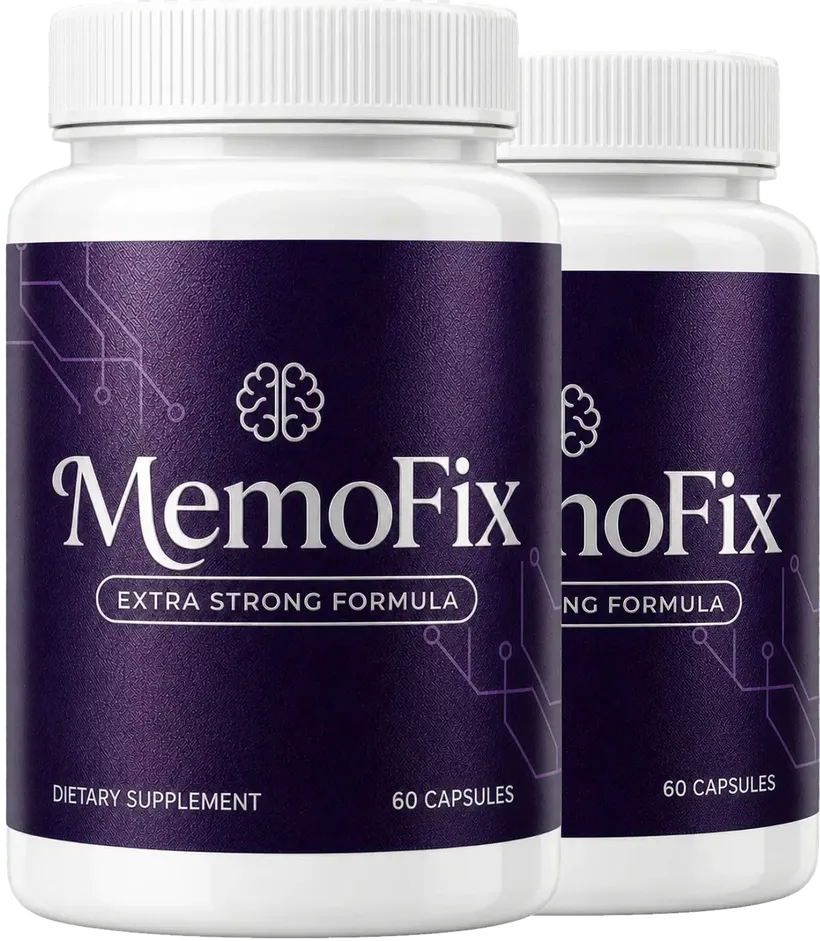
If you searched Neuriva vs MemoFix, you are almost certainly a careful shopper. Neuriva is one of the most recognised memory brands in the drugstore aisle, with roughly 33,000 searches a month — though that interest has been gently declining as buyers move toward fuller-spectrum formulas. This head-to-head compares the two the way a label-reader would: ingredient by ingredient, dose by dose, and dollar by dollar. No hype, no miracle language, and no claim that either product treats a disease, because neither one does. By the end you will know exactly which formula fits the way you want to support your memory in 2026.
Here is the short version before we open both panels. Neuriva bets on a small, tidy pair of ingredients. MemoFix bets on breadth — five actives, each with a printed milligram amount. Neither approach is automatically right; the better choice depends on whether you value a minimalist formula or a wider, fully itemised one. Let us put them side by side.
Neuriva vs MemoFix at a glance
Before the detail, the overview. Neuriva Original is built around two actives: a coffee-fruit (whole coffee cherry) extract and phosphatidylserine, with some Neuriva Plus versions adding B vitamins for supporting roles. MemoFix takes the wider road: bacopa monnieri, rhodiola rosea, L-theanine, panax ginseng and a branched-chain amino acid blend, all listed with individual amounts. One formula is a sharp pencil; the other is a fuller toolkit. The rest of this comparison is about which tool you actually need.
A fair word up front: Neuriva is a legitimate, widely sold product and it does print the amounts of its two headline actives, which already puts it ahead of the many brands that hide behind proprietary blends. So this is not a transparent-versus-secret story. It is a narrow-versus-broad story, with a transparency tiebreak that we will get to.
What is inside Neuriva
Neuriva's identity rests on two ingredients, and it is worth understanding each honestly.
Coffee-fruit extract (the “Neurofactor” ingredient)
Neuriva's signature active is an extract of the whole coffee cherry — the fruit around the bean, not caffeine. The brand's interest in it centres on a compound the body makes called BDNF, which is involved in the health of neurons. The human research here is early and limited rather than deep, so it is best understood as a promising but not settled ingredient. It is a reasonable inclusion; it is simply not the mountain of evidence that, say, bacopa has accumulated for memory specifically.
Phosphatidylserine
Phosphatidylserine is a phospholipid that occurs naturally in cell membranes, including in the brain. It is one of the more studied cognitive ingredients and has a longer research history than coffee fruit, which makes it a sensible partner active. Neuriva typically includes it at 100 mg, a dose in the commonly used range. If Neuriva has a genuine anchor ingredient, this is it.
That is essentially the Neuriva story: two actives, both disclosed, one early-evidence and one better-established. It is clean and uncomplicated. The trade-off is that it asks a lot of two ingredients, and it leaves out several of the most-studied memory botanicals entirely.
What is inside MemoFix
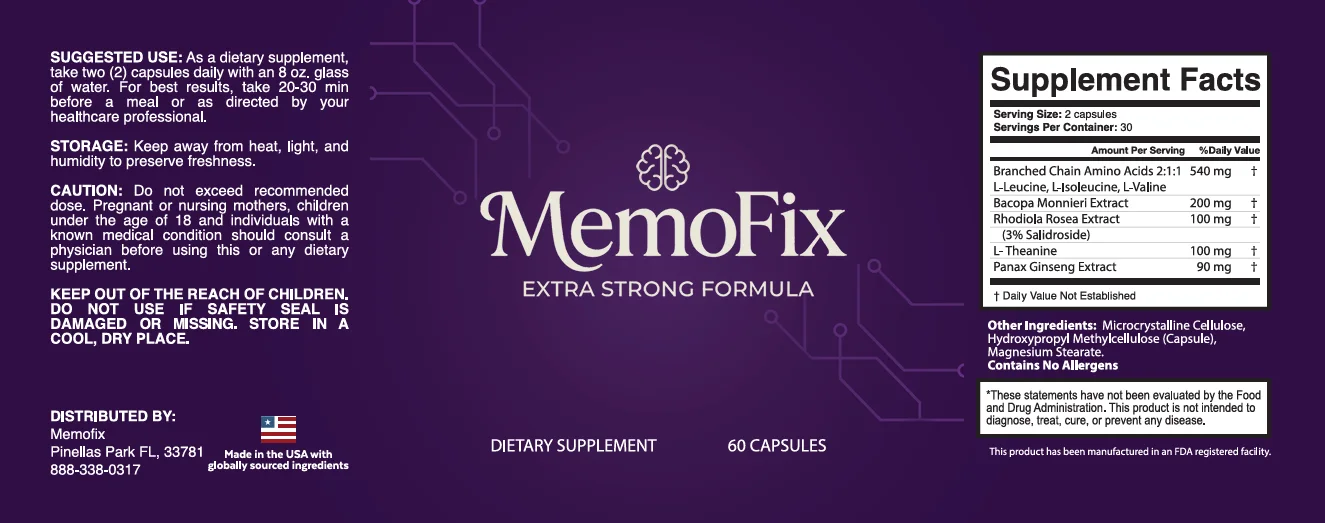
MemoFix takes the opposite design philosophy: cover more of the researched memory and focus territory, and show every number. Two capsules a day, sixty capsules per bottle, and the panel reads:
- Bacopa monnieri extract, 200 mg — the botanical with the most human evidence for memory in particular, studied over eight-to-twelve-week windows.
- Rhodiola rosea extract, 100 mg (standardised to 3% salidroside) — studied for mental fatigue, and the one active here that carries a printed strength, not just a weight.
- L-theanine, 100 mg — studied around 100–200 mg for calm, non-jittery focus that many people feel the same day.
- Panax ginseng extract, 90 mg — a traditional adaptogen studied for alertness and mental performance.
- Branched-chain amino acids 2:1:1, 540 mg — supporting aminos rounding out the stack.
The honest caveat, which we make on every MemoFix page: its bacopa is 200 mg, below the roughly 300 mg many memory trials use. That is not a hidden flaw — it is a printed number you can weigh, which is exactly the point of an open label. You get to make the trade-off with real information. For the full ingredient-by-ingredient verdict against published dose ranges, our evidence-based MemoFix review of whether it really works lays out each active and its studied amount.
Neuriva vs MemoFix on ingredient breadth
This is the heart of the comparison. Neuriva covers two positions; MemoFix covers five. That matters because memory and everyday cognition are not a single lever. Recall over weeks (bacopa's territory), same-day focus (L-theanine), resistance to mental fatigue (rhodiola) and general alertness (ginseng) are related but distinct. A two-ingredient formula, however well chosen, simply cannot address as many of those angles as a five-ingredient one.
That said, breadth only counts if the doses are meaningful, which is why we do not present MemoFix as a blanket winner. Neuriva's phosphatidylserine is well-dosed for its role, and a person who specifically wants a phosphatidylserine-forward product will not find that exact ingredient in MemoFix. Breadth versus depth on a single active is a real trade-off. If your priority is the widest researched net in one capsule, MemoFix leads; if your priority is a specific phospholipid, Neuriva has something MemoFix does not. For the bigger category picture, our 2026 ranking of the best brain supplements sorts the whole shelf by this same breadth-and-transparency test.
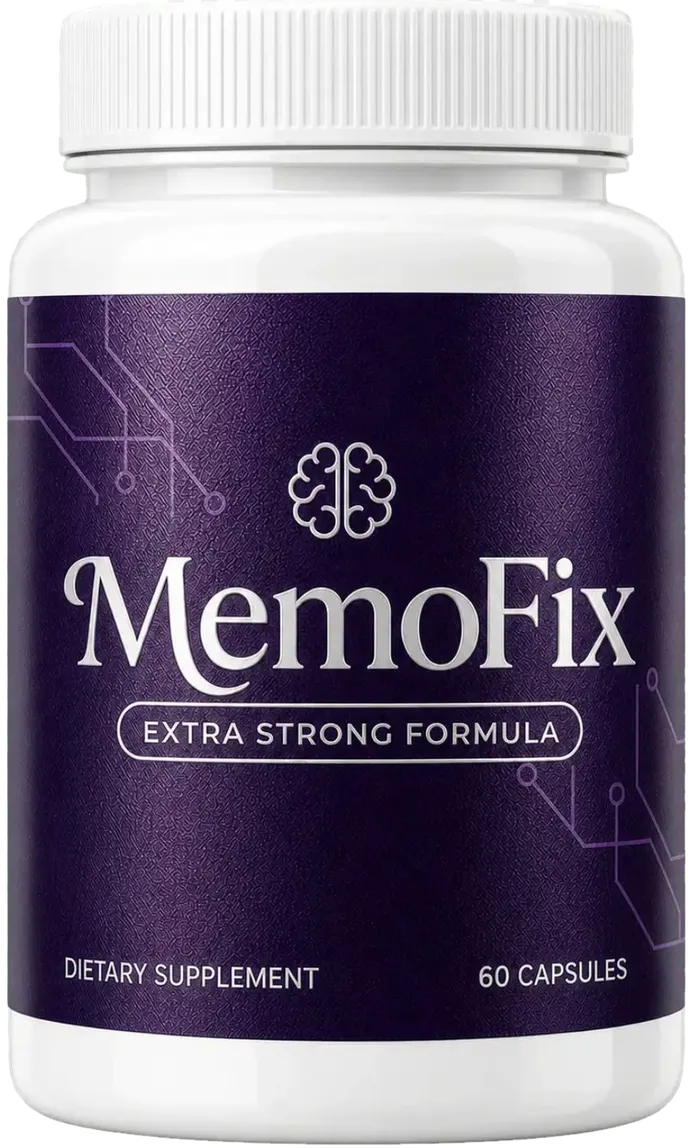
Want the broader, fully-itemised formula?
MemoFix prints an amount for all five actives and a standardisation on its rhodiola — and backs the whole bottle with a 60-day money-back guarantee.
Check MemoFix Pricing at the Official StoreDosing transparency: the tiebreaker
Both brands earn credit here, which is rarer than it should be. Neuriva prints its two doses. MemoFix prints all five. The tiebreak is one detail: MemoFix carries a standardisation on its rhodiola line — 3% salidroside — and standardisation is what tells you what an extract is actually made of, not just how much it weighs. An extract weight without a standardisation is only half the information, because two 100 mg extracts can differ wildly in active content. On the pure transparency axis, MemoFix edges ahead by showing both the weight and, on at least one botanical, the strength.
None of this makes Neuriva a bad label. It makes MemoFix a slightly more complete one. And it illustrates a habit worth carrying into any comparison: read the back of the box, not the front, and reward the brand that hands you more to verify.
Neuriva vs MemoFix on price per serving
Price is where shoppers often decide, so compare it correctly — by the daily serving, not the number on the front. Neuriva at retail commonly works out to somewhere around a dollar or so per daily serving, depending on the store and the version. MemoFix starts from $49 a bottle for a 30-day supply (two capsules a day), with the per-bottle cost dropping on its multi-bottle bundles, which is typical of direct-to-store supplement pricing. In round terms the two are broadly comparable per serving, and the real swing factor is how much you buy at once and which promotions are live. Because prices move, treat any figure here as directional and confirm the current number at each official store before you buy.
The more useful money question is not “which is a few cents cheaper” but “which protects your money if it does not work for you.” That is the guarantee, and it favours a formula sold with a long, no-questions return window — long enough to see whether a slow-building memory ingredient like bacopa is doing anything for you. MemoFix's 60-day guarantee is built for exactly that timeline.
Common objections, answered honestly
“Neuriva is the famous one, so it must be better.” Recognition is a marketing outcome, not a quality metric. Neuriva's visibility comes from a large advertising presence, and its search interest is actually trending down as shoppers look for broader formulas. Fame tells you a brand spends on ads; the panel tells you what you are buying.
“More ingredients just means weaker doses.” It can — but only if the brand hides the amounts. That is precisely why the printed panel matters. With MemoFix's doses on the label, you do not have to assume; you can check each one against the research yourself. A five-active formula with visible amounts is a different animal from a five-active blend that hides them.
“I want the single strongest memory ingredient, not a stack.” Fair — and honest answer: no single ingredient is a magic bullet, and the most-studied memory botanical, bacopa, still needs weeks to show up. If a minimalist approach appeals to you, Neuriva's two-active design is coherent. If you would rather cover more researched angles in one bottle, the stack approach wins. There is no shame in either preference; there is only the label to judge it by.
So which wins in 2026?
For most shoppers comparing Neuriva vs MemoFix in 2026, MemoFix wins on breadth and on the transparency tiebreak: five researched actives, every dose printed, and a standardisation on its rhodiola line, backed by a 60-day guarantee that gives a slow memory ingredient time to prove itself. Neuriva remains a reasonable pick for someone who specifically wants a lean, phosphatidylserine-forward formula and values simplicity over range. Both are cognitive-support supplements, and neither treats, cures or prevents any condition — so whichever you choose, judge it by the label and by your own results over a full eight to twelve weeks.
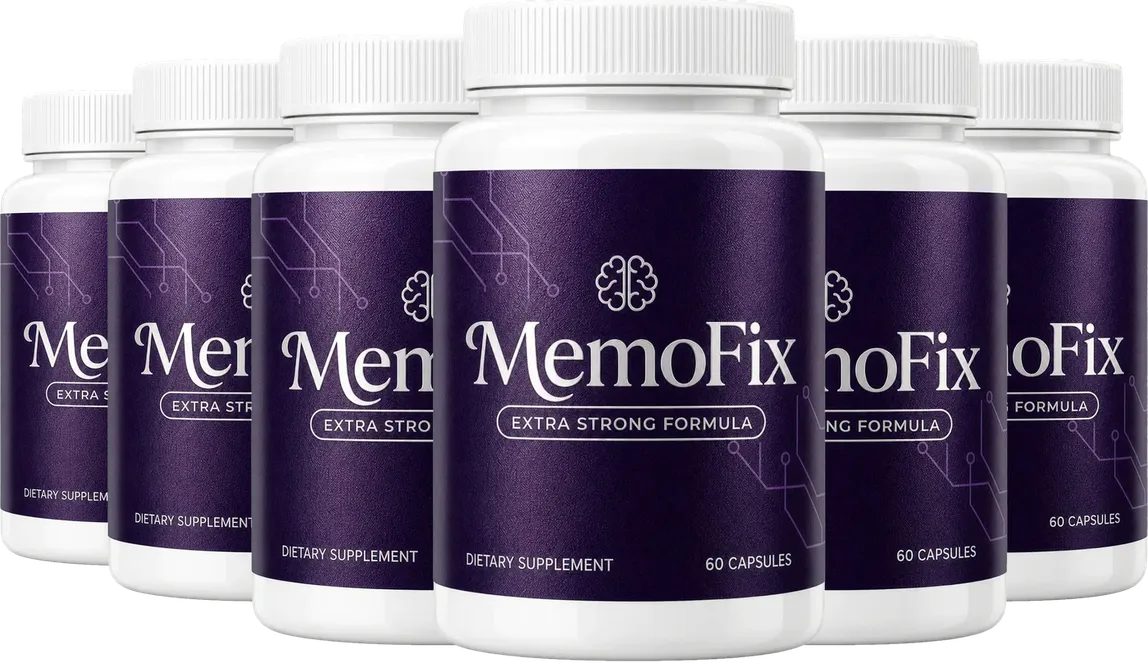
Put the broader formula to the test
See MemoFix's current official-store pricing, verify the five printed doses against this comparison, and use the full 60-day window to judge it on your own recall.
Order MemoFix From the Official StoreFrequently asked questions
Is MemoFix better than Neuriva?
Better depends on what you want. Neuriva is a focused two-active formula built around coffee-fruit extract and phosphatidylserine, while MemoFix is a broader five-active stack with a printed amount for every ingredient and a standardisation on its rhodiola. If you want ingredient breadth and dose transparency in one bottle, MemoFix has the edge; if you prefer a minimalist two-ingredient approach, Neuriva may suit you. Both are cognitive-support supplements, not treatments.
What is the main difference between Neuriva and MemoFix?
The main difference is breadth. Neuriva concentrates on two headline actives, coffee-fruit extract and phosphatidylserine, whereas MemoFix combines five actives — bacopa monnieri, rhodiola rosea, L-theanine, panax ginseng and branched-chain amino acids — with each amount printed openly on the panel. Neuriva is the narrower, simpler formula; MemoFix is the wider, fully itemised one.
Which is cheaper, Neuriva or MemoFix?
Priced per serving they are broadly comparable, and the winner depends on where and how much you buy. Neuriva is often around a dollar or so per daily serving at retail, while MemoFix starts from $49 a bottle for a 30-day supply and drops on its multi-bottle bundles. Compare the cost per day rather than the sticker price, and always check current pricing at each official store before deciding.
Can I switch from Neuriva to MemoFix?
Most people can simply finish one bottle and start the other, since both are daily cognitive-support supplements rather than medicines. There is no built-in tapering requirement. That said, if you take prescription medication, are pregnant or nursing, or manage a health condition, confirm the switch with a healthcare professional first, and give any new formula a full eight to twelve weeks before judging bacopa's slower memory effect.
Does MemoFix print its doses as clearly as Neuriva?
Yes. MemoFix prints an individual amount for all five actives and also standardizes its rhodiola line. Neuriva also discloses doses, so the difference is mostly in how many actives each one combines.